
people
Our advisory committee, composed of renowned architects and cultural professionals from around the globe, embodies our dedication to socially and ecologically responsible architecture.
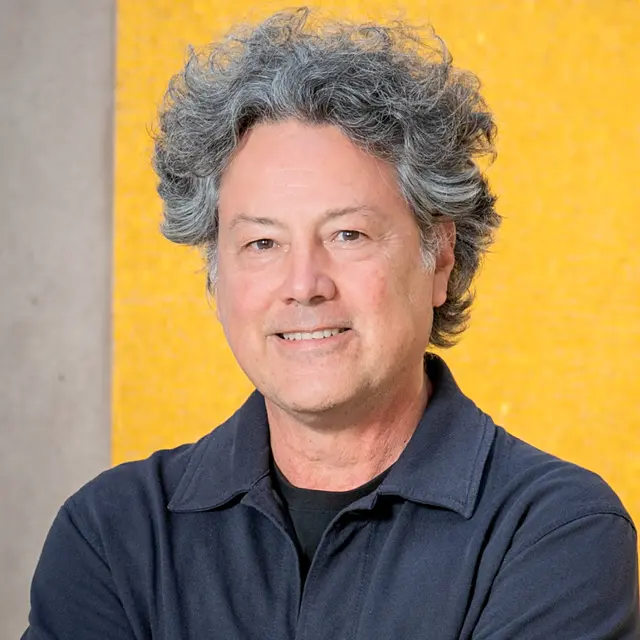
Alejandro Echeverri is an architect, urbanist and Colombian academic. He is a consultant and advisor to UN-Habitat and the World Bank, where he focuses on architecture, urban planning processes and social issues, especially in countries with weak political and institutional infrastructures. Currently he works as a visiting professor in Urbanism at the Tecnológico de Monterrey in Mexico. As director of The Urban Development Institute of Medellín, he led the Social Urbanism Strategy making the city of Medellín a blueprint for the future of other distressed cities worldwide. Echeverri was previously a lecturer at the London School of Economics, a researcher and professor at LUB, Barcelona Urban Lab, and a design critic at Harvard Graduate School of Design. In 2016-2017 he was a Harvard Loeb fellow. His (academic) work has earned several prizes and he is a member of several international advisory boards.
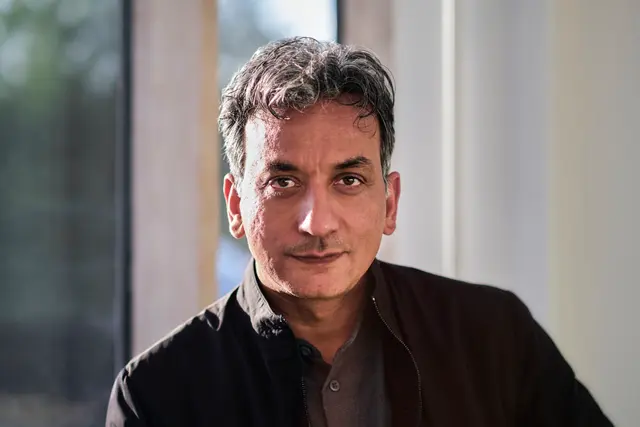
Amit Gupta is the founder and editor-in-chief of STIR, an award-winning global media house and curatorial agency that champions creativity and innovation in design, architecture and art. A visionary curator, entrepreneur and creative thinker, Amit has spent over three decades fostering intersections across creative disciplines and geographies through pioneering initiatives that shape global discourse. He began his career in advertising before founding India’s first architecture and design gallery in the late 1990s. In 2014, he launched STIR, the only global media platform of its kind to emerge from the region. Guided by the principles of content, connect, collaboration and community, he continues to expand STIR’s impact through new ventures. Amit is also the founder of vis a vis India Pvt. Ltd., a trailblazing lighting solutions company. In 2016, he launched lightandyou.com, India’s first curated e-commerce platform for decorative lighting from leading global brands and designers.

Aric Chen is a curator, writer and creative director with extensive international experience across architecture, design and their intersections with other disciplines. Born and raised in the United States, he has worked globally in both historical and contemporary contexts, developing cultural programmes that engage architecture and design within broader social, technological and cultural frameworks. From 2021 to 2025, Chen served as General and Artistic Director of the Nieuwe Instituut, the Netherlands’ national museum and institute for architecture, design and digital culture in Rotterdam. During his tenure, the institute presented major projects and exhibitions including Het Podium, The Energy Show, Workwear, REBOOT, Nederland op de Tekentafel, and Dutch, More or Less, as well as Ma Yansong: Architecture & Emotion (2025), reflecting his commitment to cross-disciplinary and globally engaged cultural programming. Other exhibitions developed under his curatorial leadership include Arata Isozaki: In Formation (2023) at the Power Station of Art in Shanghai; Urban Cosmologies, the 9th UABB Shenzhen Biennale of Architecture/Urbanism (2022–2023); and X is Not a Small Country: Unravelling the Post-Global Era (2021) at the Museum of Art, Architecture and Technology (MAAT) in Lisbon. Chen was previously Lead Curator for Design and Architecture at M+, Hong Kong, and Professor and Founding Director of the Curatorial Lab at the College of Design & Innovation at Tongji University in Shanghai. He is currently Director of the Zaha Hadid Foundation in London, where he leads the foundation’s global programme in architecture, design and research, expanding the legacy of Zaha Hadid while supporting new voices in the field.
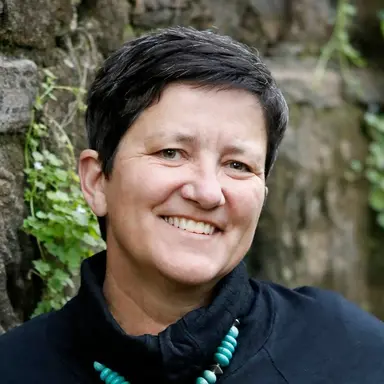
Caroline Pidcock is a visionary leader in sustainable and regenerative architecture, deeply inspired by the landscapes and water systems of her upbringing. Since founding her practice in 1992, she has championed sustainability as a transformative force in design. In 2018, she transitioned PIDCOCK to a sole-practitioner model, allowing a more agile and strategic focus on accelerating climate action. Pidcock is currently co-chair of the AIA National Climate Action and Sustainability Committee, a steering committee member of Australian Architects Declare and adjunct professor of Practice at the University of Newcastle. She also contributes to local government as a member of several Design and Sustainability Panels. Her previous leadership includes roles as co-founder of Australian Architects Declare, chair of the Living Future Institute Australia, and president of both the Australian Sustainable Built Environment Council and the NSW Chapter of the RAIA. Pidcock’s work bridges government, academia and community, shaping a regenerative and resilient future.

Carson Chan has contributed significantly to the international architecture discourse through his work as a curator, researcher and writer. He is currently Chief Curator and Director of Curatorial Affairs at the Museum of Architecture and Design in Helsinki, where he oversees exhibitions, public programming, research and collections, advancing a globally oriented and cross-disciplinary vision for the institution. From 2021 to 2025, Chan served as the inaugural Director of the Emilio Ambasz Institute for the Joint Study of the Built and Natural Environment at the Museum of Modern Art (MoMA) in New York, where he also worked as a curator in the Department of Architecture and Design. At the Ambasz Institute, he initiated and led a range of research programmes, including the major survey Emerging Ecologies: Architecture and the Rise of Environmentalism (2023), which examined the history of environmental architecture in the United States during the twentieth century. He also convened Third Ecology in Reykjavik, an international conference that brought together more than 70 academic presentations on architecture and environmental history. Prior to joining MoMA, Chan co-founded PROGRAM, a project space and residency in Berlin (2006), co-curated the 4th Marrakech Biennale (2012) and served as Executive Curator of the Biennial of the Americas in Denver (2013). His doctoral research at Princeton University examined the architecture of post-war public aquariums in the United States and their relationship to the emergence of environmentalism.
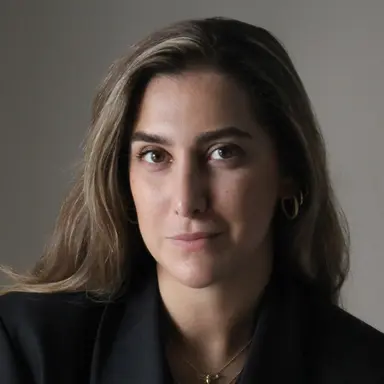
Christèle Harrouk is a French-Lebanese architect, urban designer and the editor-in-chief of ArchDaily, the world’s leading architecture platform. With dual Master’s degrees in Architecture and Urban Design, she blends design expertise with a deep understanding of media’s role in shaping the architecture discourse. Since joining ArchDaily in 2019, Harrouk has advanced rapidly, becoming managing editor in 2020 and editor-in-chief in 2024. She leads the platform’s global editorial strategy, forging industry partnerships and driving innovative content that bridges journalism, architecture and urban development. Harrouk is passionate about amplifying diverse voices in architecture and fostering meaningful conversations about the future of the built environment. She frequently speaks at international events and contributes to global publications, addressing contemporary challenges and innovations in design. Her leadership continues to reinforce ArchDaily’s influence as a thought leader while empowering the next generation of architects and urban thinkers.
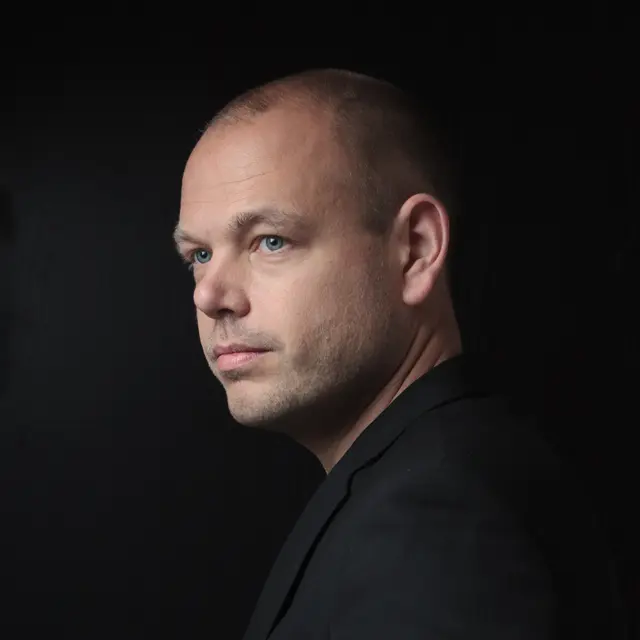
Daan Roggeveen is the founder and creative director of MORE Architecture, an international design agency with a focus on inclusive design processes, which aims to make a positive contribution to the built environment. MORE was founded in Shanghai in 2012 and opened their Amsterdam office in 2019. MORE was included in the AD100, the list of 100 most influential design firms in China. Together with journalist Michiel Hulshof, Roggeveen initiated a think-tank focusing on emerging megacities and published the critically acclaimed book How the City Moved to Mr. Sun: China's New Megacities. Daan Roggeveen studied architecture at the Delft University of Technology. He lectures at international universities such as TU Delft, TU Berlin, Princeton, Columbia GSAPP, USC, and Peking University on a regular basis. He is an often-asked contributor to the debate about urban development in China.
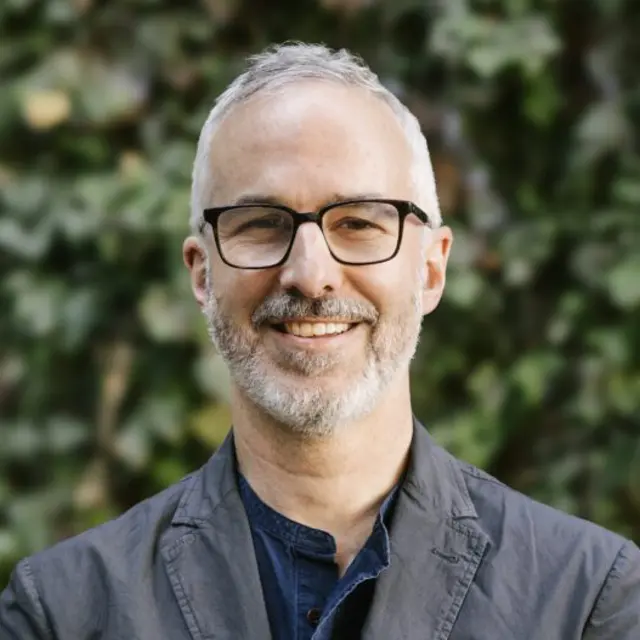
Professor Dan Hill is director of Melbourne School of Design, the graduate school in the Faculty of Architecture, Building and Planning at the University of Melbourne, Australia. A designer and urbanist, Dan's previous design leadership roles include the Swedish government’s innovation agency Vinnova in Stockholm, Arup in London and Sydney, Fabrica in Treviso, the Finnish Innovation Fund SITRA in Helsinki, and the UK's Future Cities Catapult and BBC in London. Dan is also a visiting professor of practice at UCL's Institute for Innovation and Public Practice and a founding member of the Council on Urban Initiatives, a joint venture between UN-Habitat, LSE and UCL. Dan was one of the inaugural design advocates for the mayor of London, a trustee of Participatory City Foundation, and a professor at Oslo School of Architecture, and he is currently on the Advisory Board of Open Systems Lab. Dan is the author of the books 'Dark Matter & Trojan horses: A strategic design playbook' (Strelka Press, 2012) and 'Designing missions' (Vinnova, 2022).
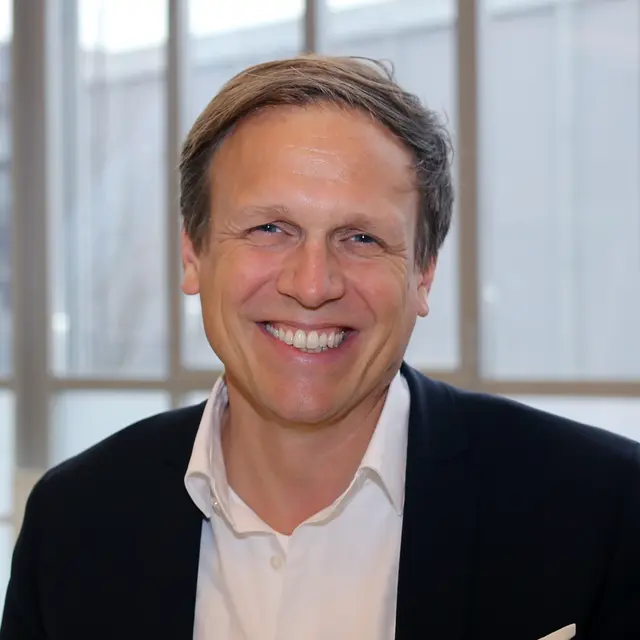
Dirk E. Hebel is professor of Sustainable Construction and the dean of the Faculty of Architecture at the Karlsruhe Institute of Technology, Germany. Prior to that, he was assistant professor of Architecture and Construction at the ETH Zurich, Switzerland and a principal investigator at the Future Cities Laboratory in Singapore. He was also the founding scientific director of the Ethiopian Institute of Architecture, Building Construction and City Development in Addis Ababa, Ethiopia. He was also a guest professor at Syracuse University and a guest lecturer at Princeton University. His research concentrates on a metabolic understanding of resources and investigates alternative building materials and construction techniques and their applications in developed as well as developing territories. Hebel practices architecture by activating unusual building materials such as air, water, bamboo or waste.

Dr Elizabeth Pigou-Dennis is a social historian with more than thirty years of teaching experience as a senior lecturer and associate professor at the University of Technology Jamaica. She is the former vice dean of the Faculty of the Built Environment at the Caribbean School of Architecture at the University of Technology Jamaica. Pigou-Dennis is curious about material culture, particularly the ways in which societies have created architectural artefacts and the multifaceted relationships between people, nature and urban spaces. Her special interest lies with small islands, postcolonial societies and the ways in which landscapes intersect with contemporary interventions. She has a local approach with a strong focus on Jamaica and the Caribbean.
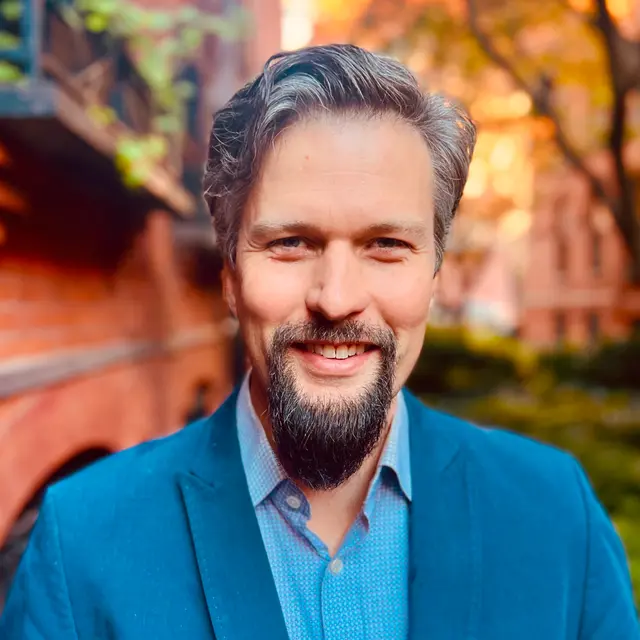
Ethan Kent is working to build a global placemaking movement. ‘Placemaking’ is a common cause that brings people together to collectively reimagine and reinvent public spaces as the heart of their community. By strengthening the connection between people and the places they share, placemaking offers a collaborative process through which we can shape our public realm in order to maximize its value for all. Beyond just promoting better urban design, placemaking facilitates more satisfying patterns of public use by paying particular attention to the physical, cultural and social identities that define a place and support its evolution. In 2019, Ethan co-founded PlacemakingX to network, amplify and accelerate placemaking leadership and impact globally. He has been integral to the development of placemaking as a transformative approach to economic development, environmentalism, transportation planning, governance, resilience, social equity, design, placekeeping, digital space, inclusion, tourism and innovation.

Federica Sofia Zambeletti is an architect, researcher and storyteller whose interests intersect art, architecture and regenerative practices. Frederica is the managing director of KoozArch, which she founded in 2022 with the aim of creating a space for researching, exploring and discussing architecture beyond the confines of its built form. Before devoting her full attention to KoozArch, she collaborated with UNA/UNLESS, an architecture studio and non-profit agency for change, working on various cultural projects and the research initiative ‘Antarctic Resolution’. Federica is an alumnus of the Architectural Association School of Architecture in London.
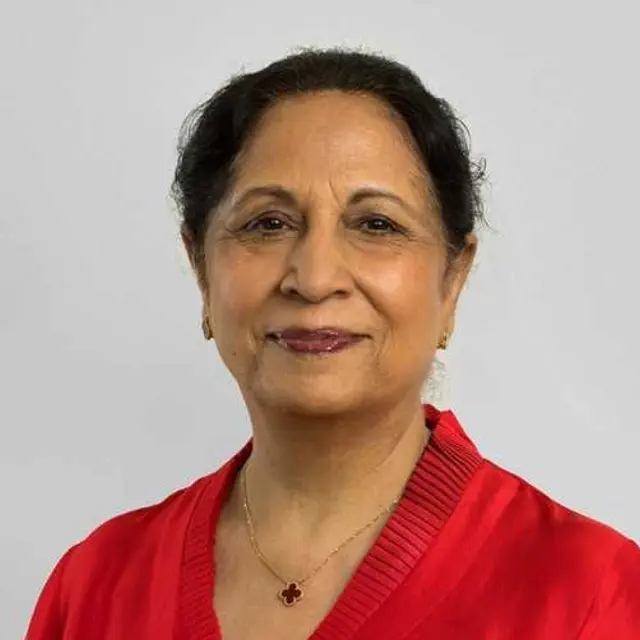
Dr. Geeta Mehta is an adjunct professor at Columbia University’s Graduate School of Architecture, Planning and Preservation (GSAPP). She is the founder and president of Asia Initiatives, a non-profit organisation that works with underserved communities to help improve livelihoods, neighbourhoods and the environment. Geeta is also the innovator of Social Capital Credits (SoCCs), a virtual currency for social good that has won several awards. She is the co-founder of URBZ: User Generated Cities, together with Rahul Srivastava and Matias Echanove. Geeta serves on several boards, including the New York City Mayor’s Waterfront Management Advisory Board. She was also the president of the American Institute of Architects’ Japan Chapter while she lived in Tokyo. She is the coauthor of seven books and has been recognised by Women’s eNews as one of the 21 leaders of the 21st century.
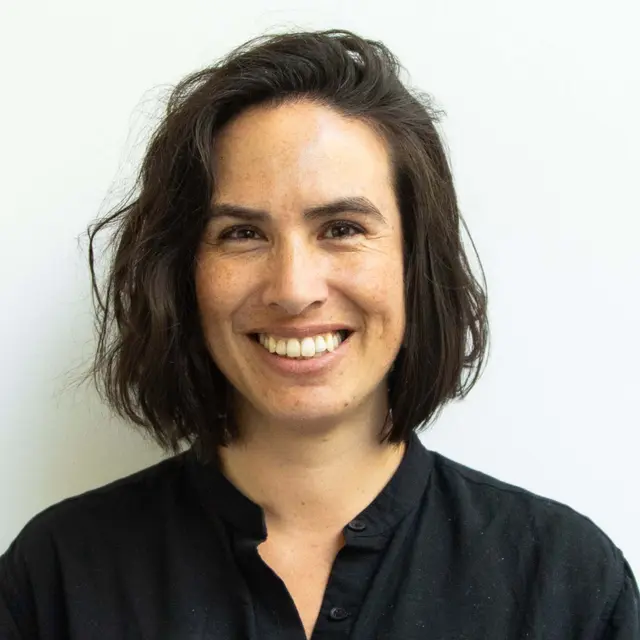
Malu Borja López is an architect, lecturer and partner at Al Borde Architecture Studio, founded in Quito, Ecuador in 2009. Malu has an MA in Development Studies, Gender and Justice perspectives. Al Borde focuses on the human dimension of space achieved through a minimal resort to available resources. Drawing on the 'ordinary', they wish to expand the human condition by engaging people and communities in the design process, questioning the subjection of architecture to bureaucracy and capital. Through various projects they generate dynamics of social interchange where people design from their own collective consciousness. Al Borde won the Schelling Medal in Germany in 2012 and the Global Sustainable Award, in France in 2013. In 2015 Al Borde Architecture Studio was nominated for the Design of the Year Award at the Design Museum in London and featured in landmark exhibitions such as 'Think Global, Build Social! Architectures for a Better World' (Vienna, 2014) and 'Reporting from the Front' at the 2016 Venice Architecture Biennale. Lately, Al Borde has been invited to the Sharjah Architecture Triennale 2023.
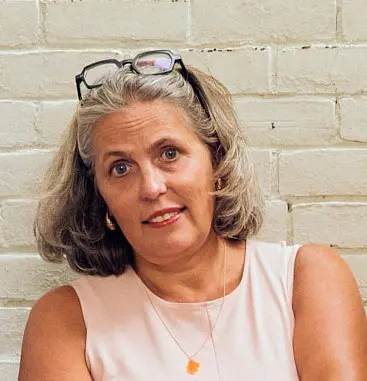
Martien de Vletter is an architecture historian and curator specialising in the preservation, documentation and accessibility of architectural archives. Since 2012, she has served as Associate Director of Collection at the Canadian Centre for Architecture (CCA), where she oversees acquisition strategy, collection description and access, as well as the stewardship and care of the collection. De Vletter’s current research focuses on critical cataloguing and reparative description, exploring how systems of documentation and visualization shape our understanding of architecture and its broader cultural and historical contexts. She has published widely on these themes, including the influential paper Don’t Be Afraid of the Digital (2018), and regularly contributes to international conferences and platforms on archival practice. Before joining the CCA, De Vletter studied the history of architecture in Amsterdam, served as Chief Curator at the Netherlands Architecture Institute, and worked as a publisher at SUN Architecture Publishers. Throughout her career, she has advocated for innovative, collaborative and post-custodial approaches to collecting, interpreting and sharing architectural knowledge.
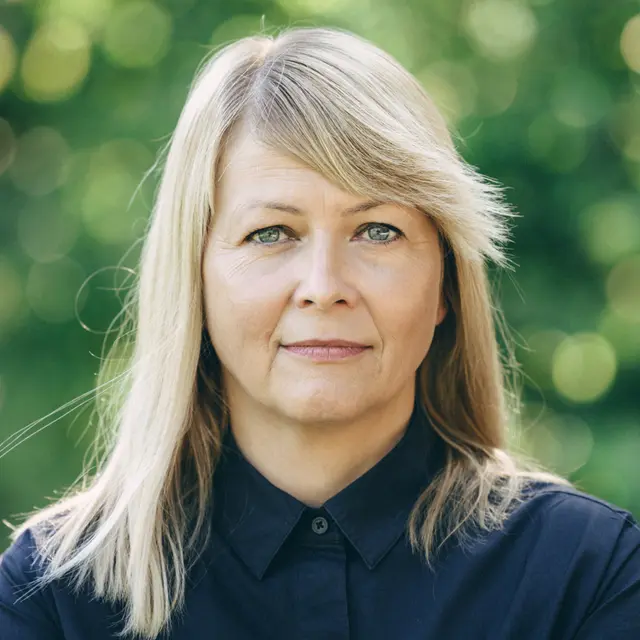
Mateja Kurir is a Slovenian philosopher, author, editor, and researcher, specializing in architecture, spatial practices, and the arts. She holds a BA (2003) and PhD (2014) in philosophy from the University of Ljubljana and has been an Associate Professor since 2024. Her publications include Arhitektura moderne in das Unheimliche: Heidegger, Freud in Le Corbusier (2018) and several edited collections, such as On Power in Architecture (Routledge, 2024). She is a recipient of the Plečnik’s Medal (2022, 2024) for contributions to architectural theory, criticism, and publishing. Currently a senior researcher at the Urban Planning Institute of the Republic of Slovenia, she also collaborates internationally as lecturer, reviewer, and juror in philosophy and architecture.
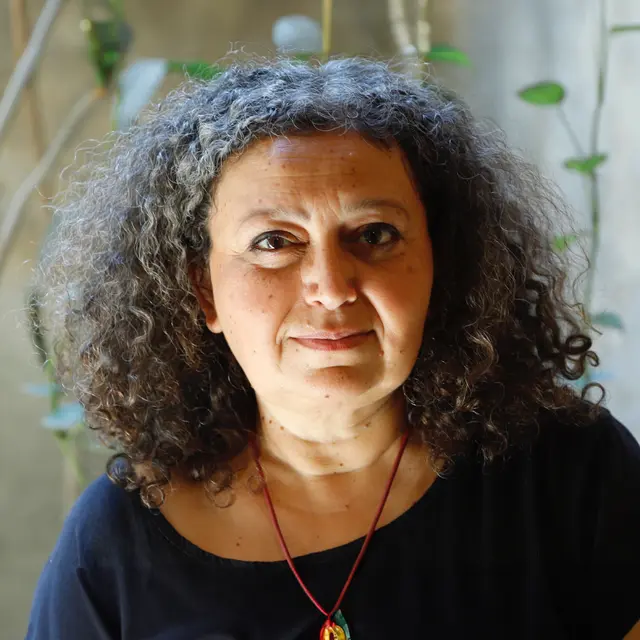
Dr. May al-Ibrashy is an architectural engineer with extensive experience in conservation and heritage management based in the al-Khalifa district in historical Cairo. She is the principal of Megawra and chair of the Built Environment Collective, a collaboration between two institutions specializing in heritage and cultural and urban development. Here, she also coordinates Athar Lina, a participatory conservation initiative. Al-Ibrashy holds a PhD in Archaeology from the School of Oriental and African Studies (SOAS), University of London, where she is also a professor of practice. In recognition of her ‘groundbreaking work with cultural heritage, operating from the premise that heritage ultimately revolves around people’, Al-Ibrashy received one of the six 2022 Prince Claus Impact Awards. The jury also noted that she ‘has created an important counter-narrative to the current [Egyptian] government’s focus on urban expansion and renewal, fostering a sense of hope and pride within communities she engages with’.
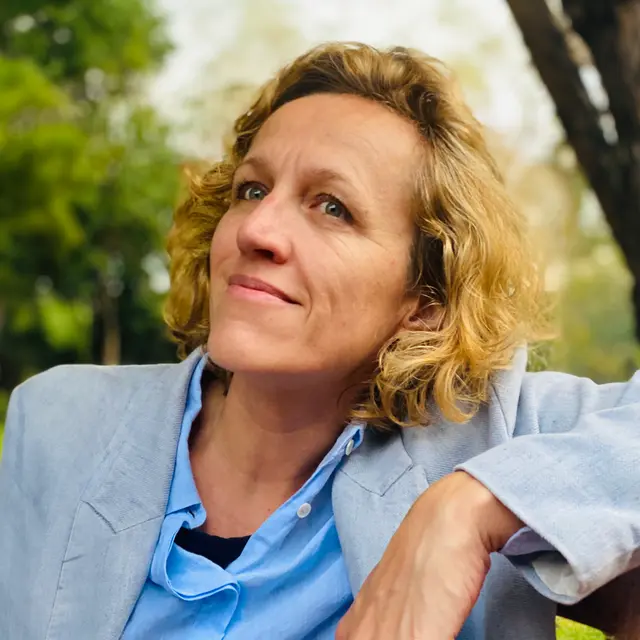
Naomi Hoogervorst studied Architecture, Urbanism and Building Sciences at the Technical University of Delft. She is currently based in Nairobi, Kenya, where she is a programme management officer at UN-Habitat, the programme of the United Nations focusing on social and sustainable urban development. She has managed the Global Future Cities Programme at UN-Habitat’s Urban Lab, supporting cities in developing 30 projects on urban resilience, planning and mobility, including the development on a SDG Tool to integrate SDGs in project design. Before joining UN-Habitat’s headquarters, she has been working on various urban programme and projects for, amongst others, Dok Architects, The International New Town Institute, DASUDA, Placemakers and UN-Habitat Afghanistan. In Afghanistan, she implemented the ‘Cities for All’ programme with strategic action planning and project design in 11 Afghan cities. At the New Town Institute she organised an international exchange and research programme called ‘Feeding the City’. She co-founded Placemakers, a foundation that aims to create liveable and inclusive urban spaces through the process of placemaking.
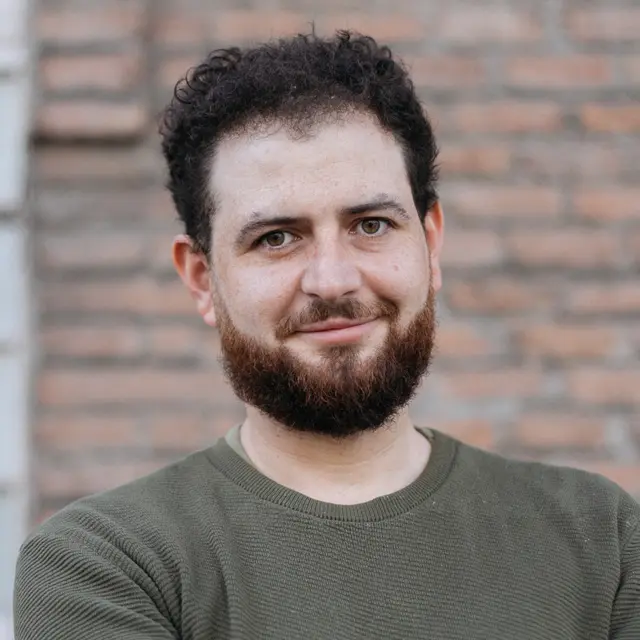
Nicolás Valencia is an architect, writer and editor, and a frequent speaker at events and conferences. His focus lies in discussing and promoting Latin American architecture and cities through multimedia platforms. He co-founded Redes IAAC at the Institute of Advanced Architecture of Catalonia (IAAC) and has been a professor of the Master in Cities in the same institution. He worked at ArchDaily for almost ten years, of which the last three years as Head of Editorial. In addition to participating in the Biennials of Chile (2019) and Tbilisi (2020), he was also a guest scholar at LA ESCUELA in 2023 and co-founded Comunicar Arquitectura (COMA) in 2020, the first Ibero-American architecture dissemination meeting. He has lectured in Spain, Brazil, Argentina, Mexico, Colombia, Costa Rica, Ecuador, Peru, Panama and Chile. In 2022 he was honoured with the Young Architect Award by the Chilean Association of Architects.
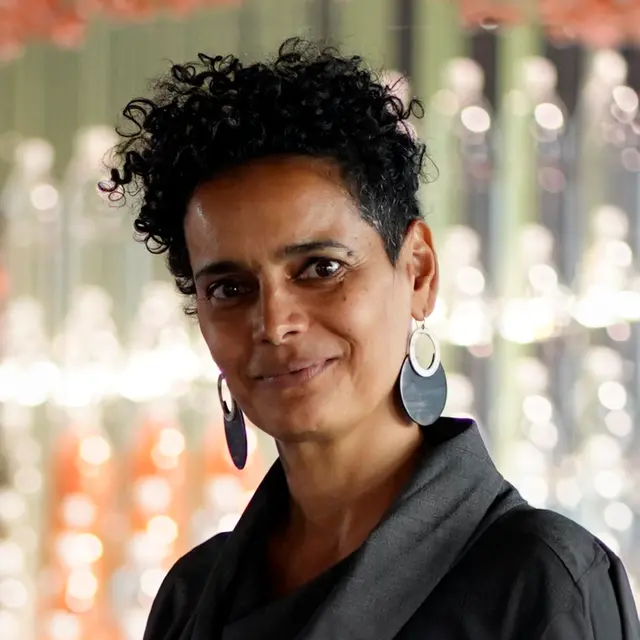
Patti Anahory is an architect whose practice spans building, art, education and curatorial work. Her research and practice focus on the spatial politics of identity and belonging, island perspectives, and African and diasporic feminist spatial practices. She was a Visiting Professor at Columbia University and was the founding director of CIDLOT, a multidisciplinary research centre at the University of Cabo Verde. She serves on the Board of Academic Advisors of the African Futures Institute in Ghana. Anahory co-founded Storia na Lugar, a storytelling platform and counter-narrative practice, and her(e), otherwise, an experimental platform for African and diasporic women creatives and spatial thinkers. She has served on juries for academic, national and international awards, including the inaugural Africa Architecture Awards (2017) and the international architecture competition for the Rio-Africa Cultural Center in Brazil. She holds a Master’s degree in Architecture from Princeton University.
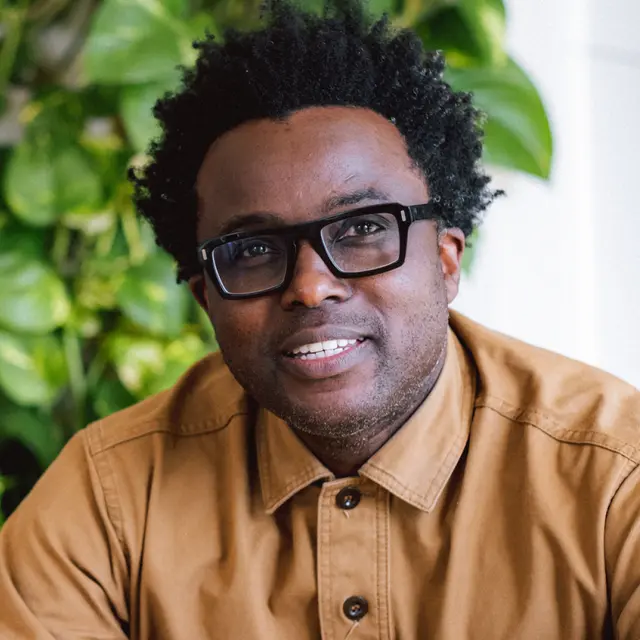
Tau Tavengwa is the founder and editor of Cityscapes Magazine; a biennial print publication that focuses on cities and urbanization across Africa, Latin America, and South Asia since 2010. It offers diverse perspectives from academics, policymakers, artists, architects, activists, journalists, writers, and illustrators who have first-hand knowledge of these regions. By showcasing the voices and experiences of these experts, the publication provides an alternative, Southern viewpoint on global urbanization. It aims to promote a more inclusive understanding of urban development and foster cross-regional learning and collaboration. Ultimately, the goal is to contribute to sustainable and equitable urban futures in these regions and beyond. He is a 2018 Loeb Fellow at Harvard Graduate School of Design (GSD), a 2020-22 Visiting Fellow at the London School of Economics’ LSE Cities, and since 2016, Curator-at-Large at African Centre for Cities, University of Cape Town, and was a Max Planck Institute Fellow in advanced digital visualization. Tau was curator of the 2022 Lisbon Architecture Triennial and a member of the Venice Architecture Biennale 2023 jury.