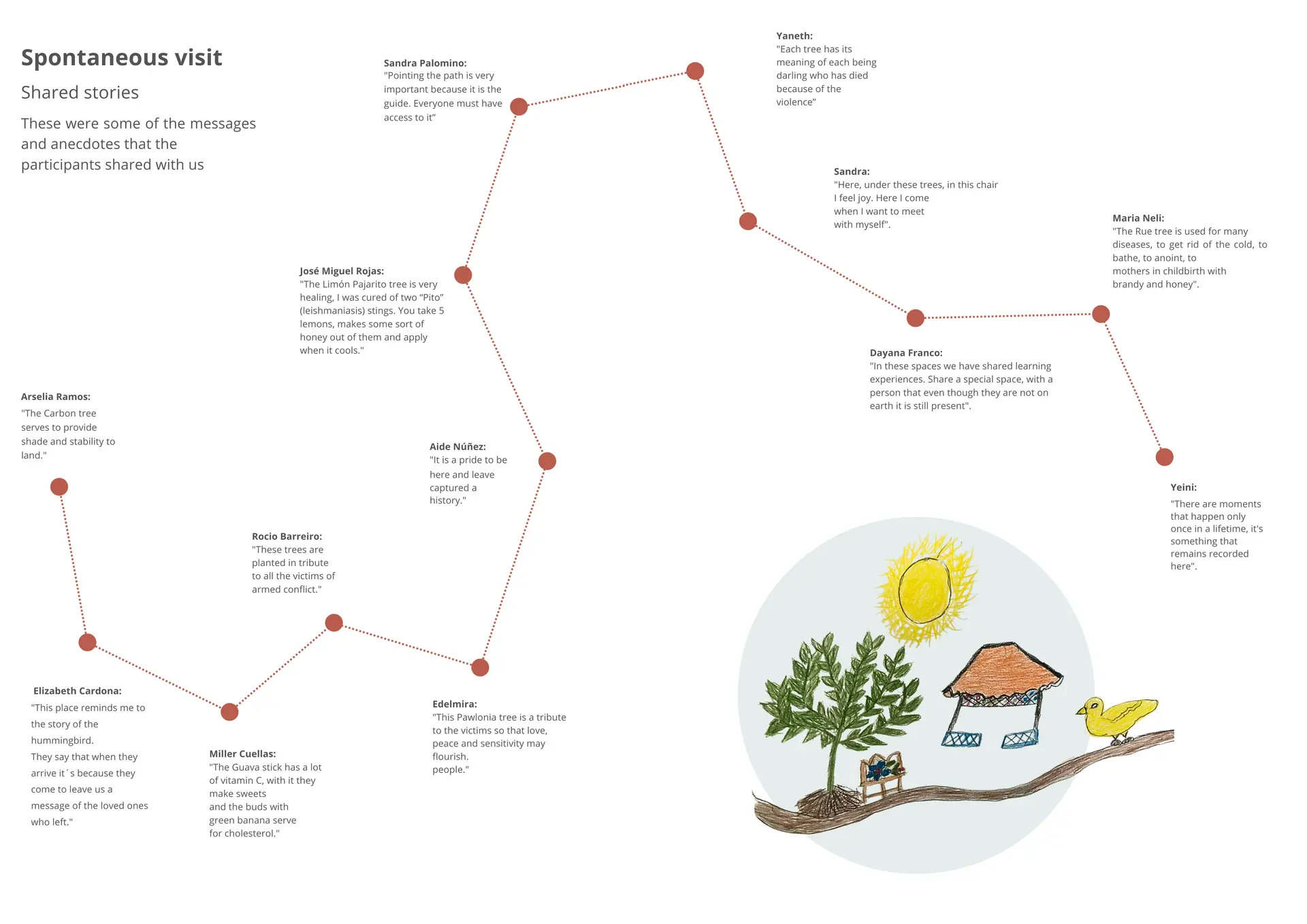
‘Forest of Memory’ receives the award for Social Engagement for its profound impact on healing and reconciliation in a community scarred by violence. This outdoor memorial honours the region’s history, fosters collective memory and provides a space for reflection and dialogue, serving as a powerful example for other affected communities.
multidisciplinary design-team
- Puente Consultorías Culturales -
Maryelin Botero,
Daniela Ramirez,
Olga Acosta,
Camila Duque,
Camilo Ruiz,
Juan Miguel Villegas.
contributing partners
Mesa de Víctimas,
Escuela local Don Quijote.
commissioned by
Giz

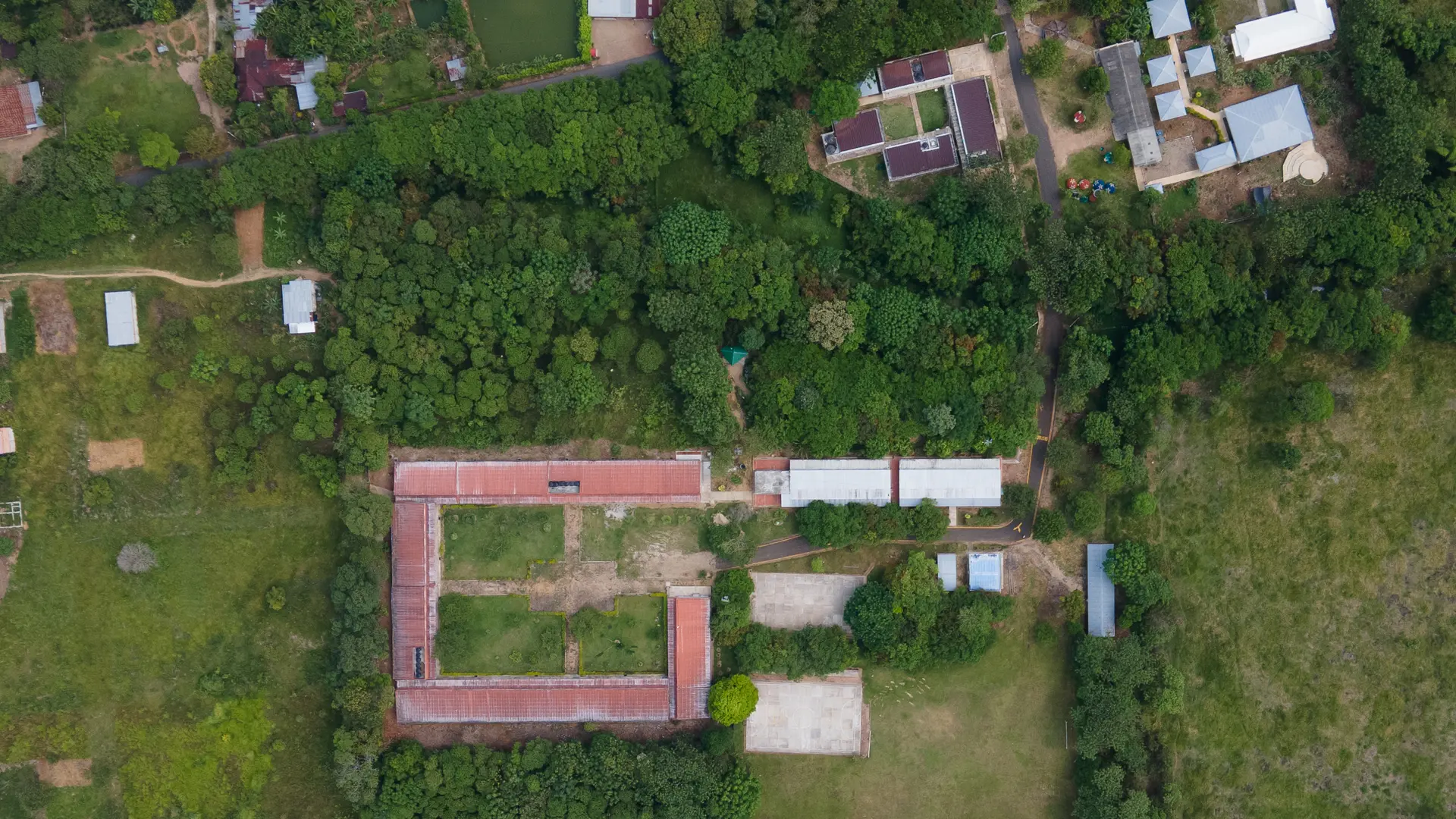
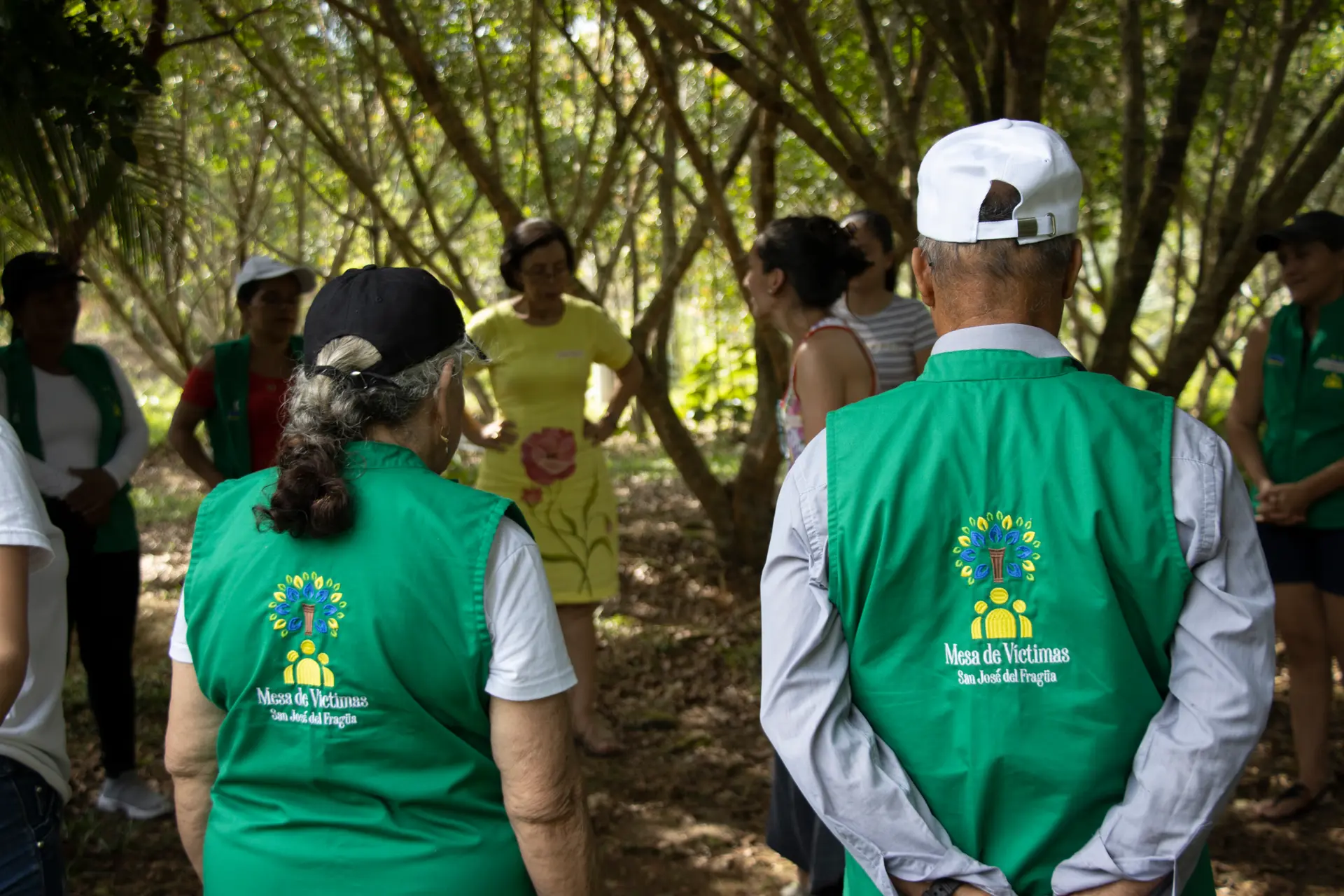
In San José del Fragua, Caquetá, the Forest of Memory is a transformative initiative addressing the scars of Colombia’s armed conflict. Driven by the Victims’ Table and local teachers from Don Quijote School, the project aims to honour victims while providing a reflective space for confronting the nation’s painful history.
Caquetá, situated in Colombia’s Amazon piedmont, bears witness to a tumultuous history marked by armed conflict. San José del Fragua emerges as one of the municipalities confronting formidable challenges: poverty, institutional fragility, violence, and the presence of illicit crops. Against this backdrop, the Forest of Memory serves as a form of symbolic reparations and historical remembrance. This project, supported by NGOs Bluemont and GIZ (German Society for International Cooperation), was conceptualized with the assistance of Puente Consultorías. Over 12 months, the team collaborated closely with grassroots organizations, including the Inga Indigenous community and local farmers, through participatory design sessions to address the community’s aspirations and needs.
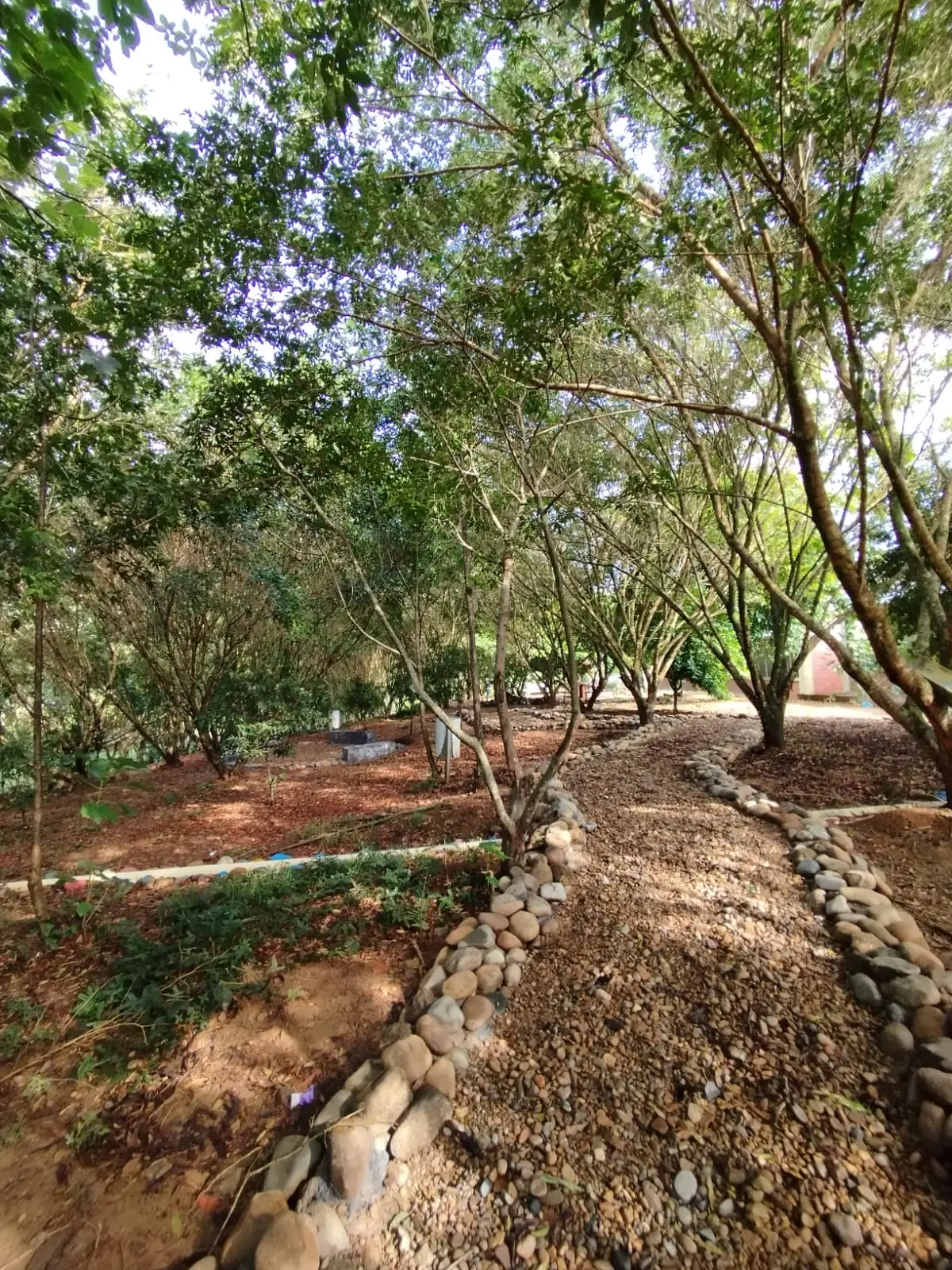
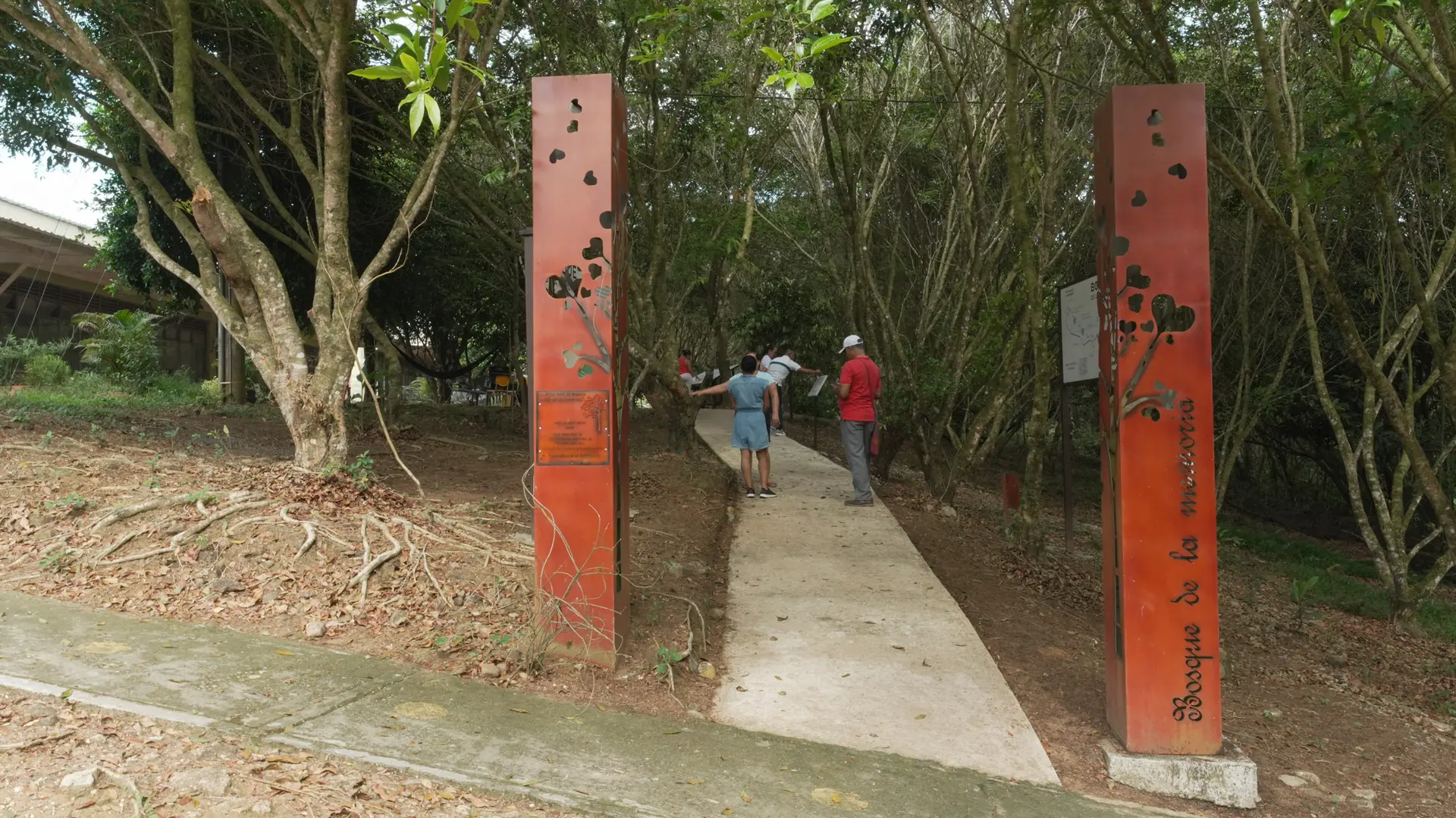
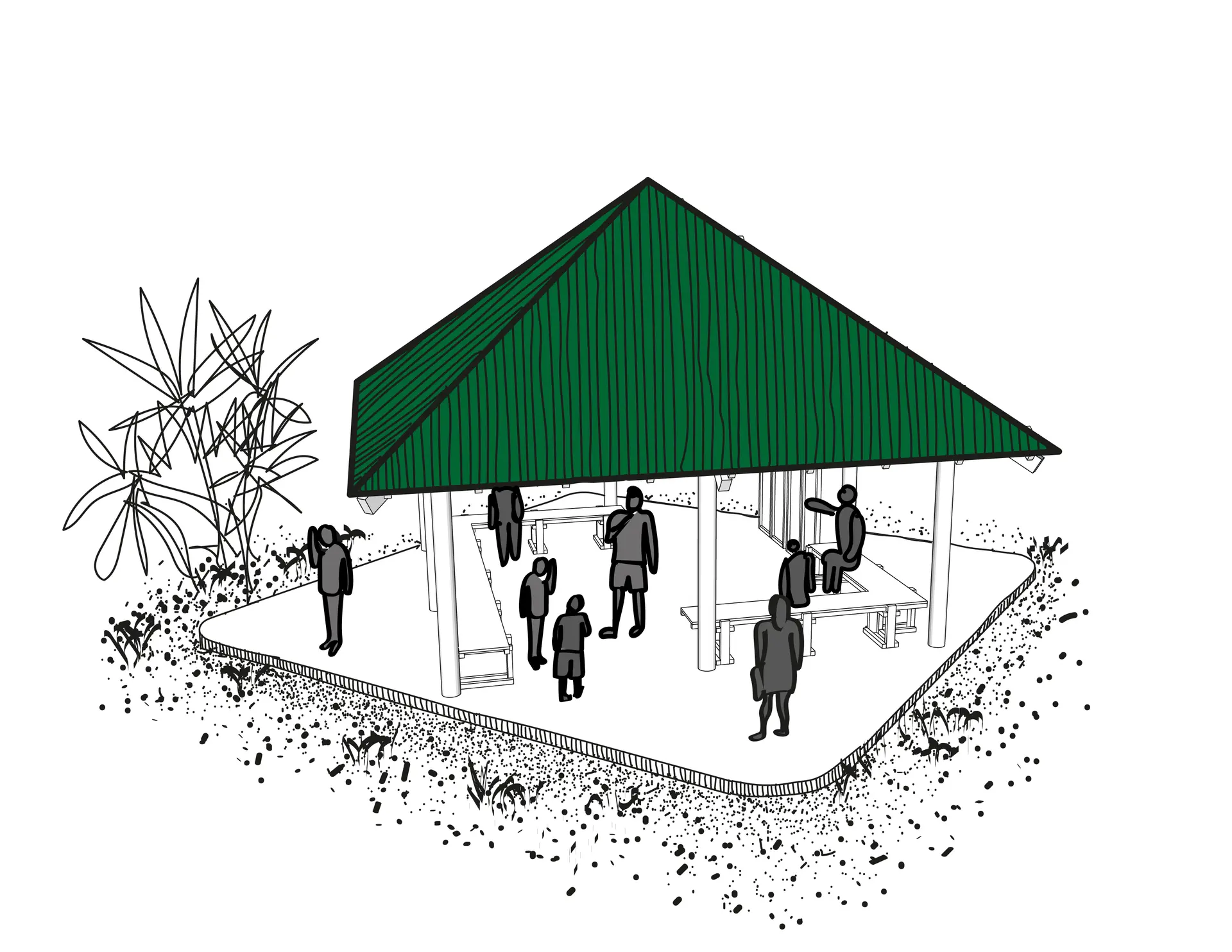
The physical manifestation of the forest includes trails, memory-activating architectural elements, a library shelter and spaces for introspection. It represents a collective effort to honour the past, heal wounds and foster reconciliation and peace. Emphasizing the preservation of local biodiversity, the project responds to a critical need in Caquetá, which has suffered a 67 per cent loss of tree cover since 2002 due to deforestation from cattle ranching and monoculture.
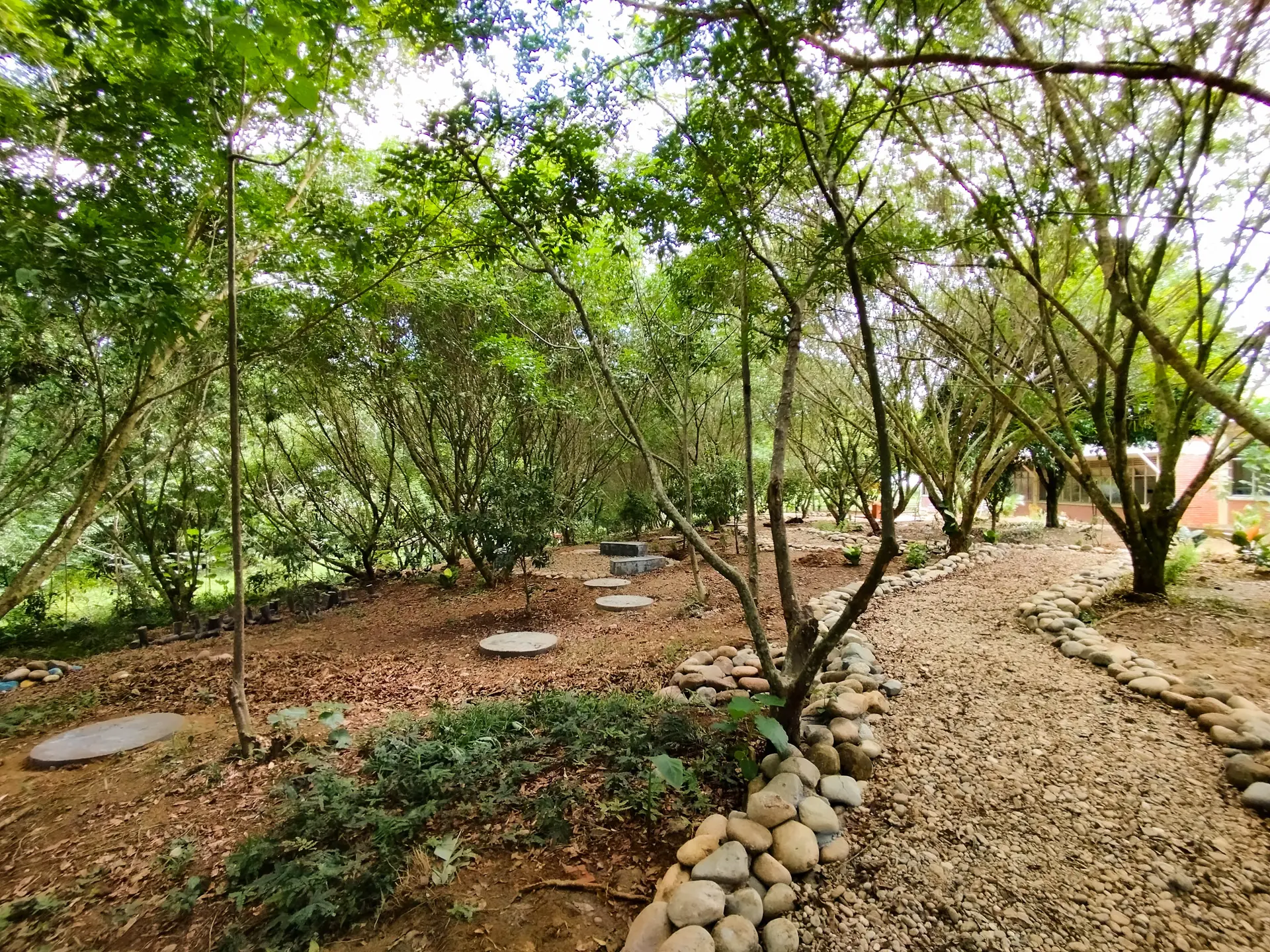
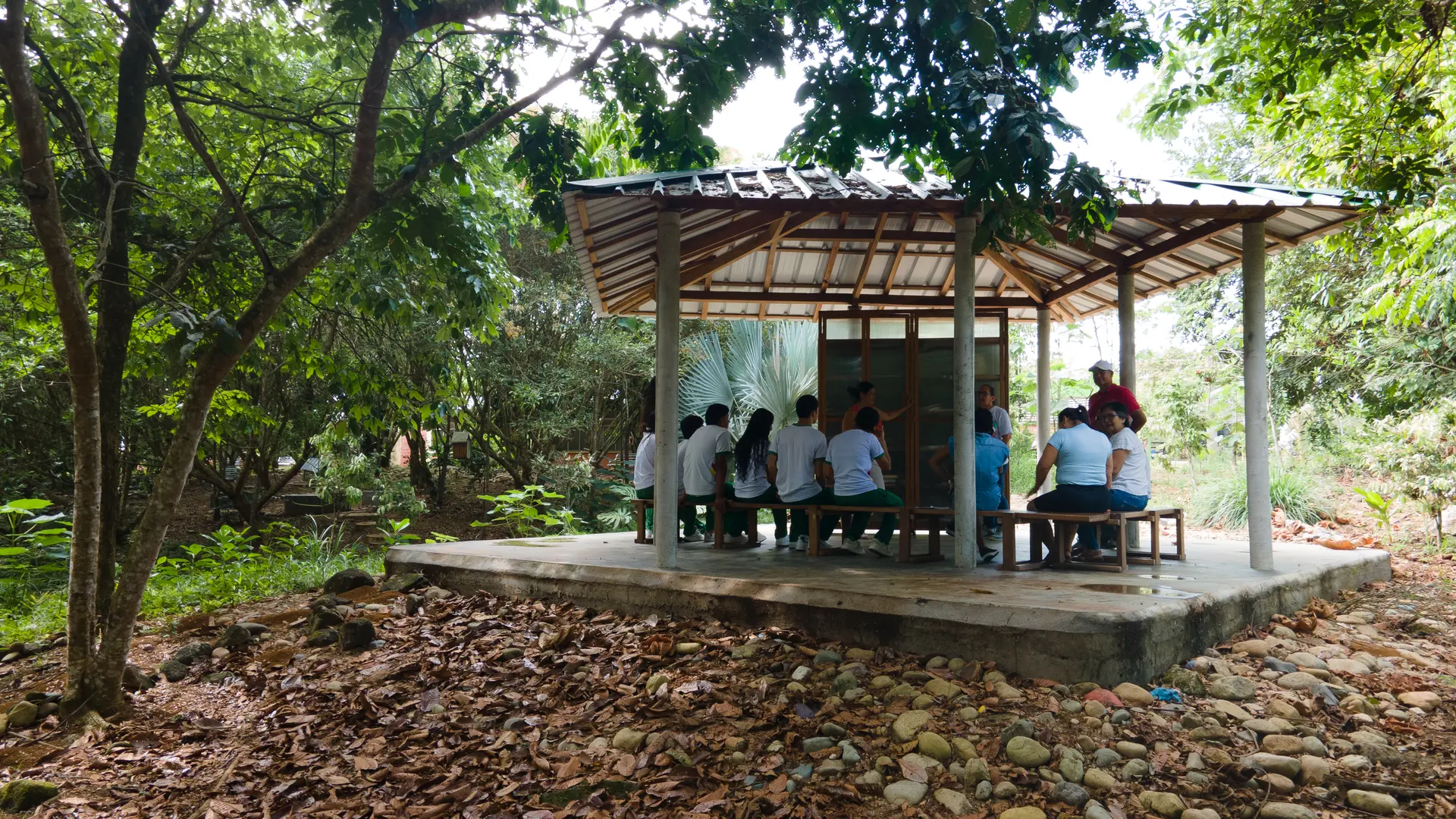
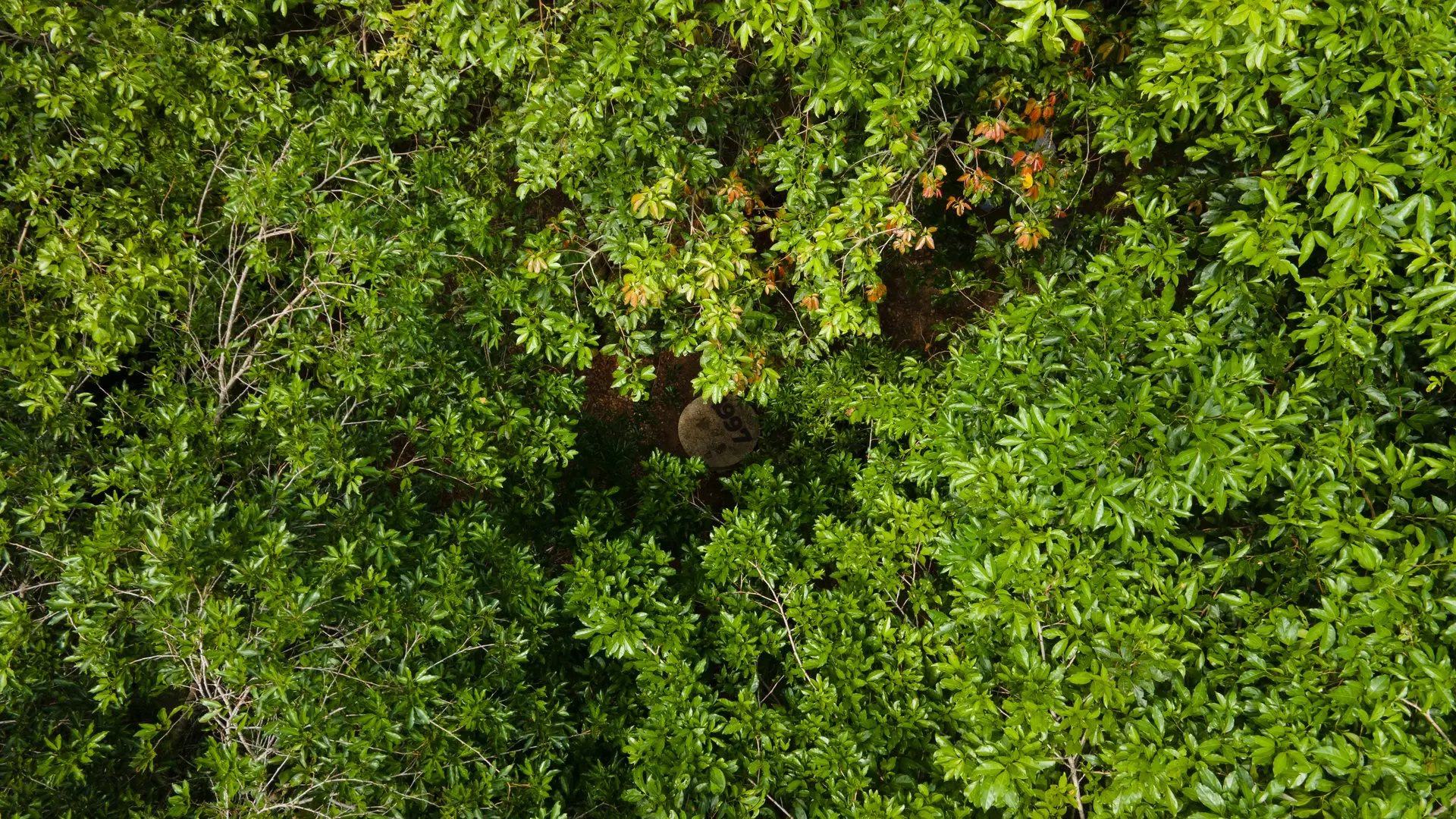
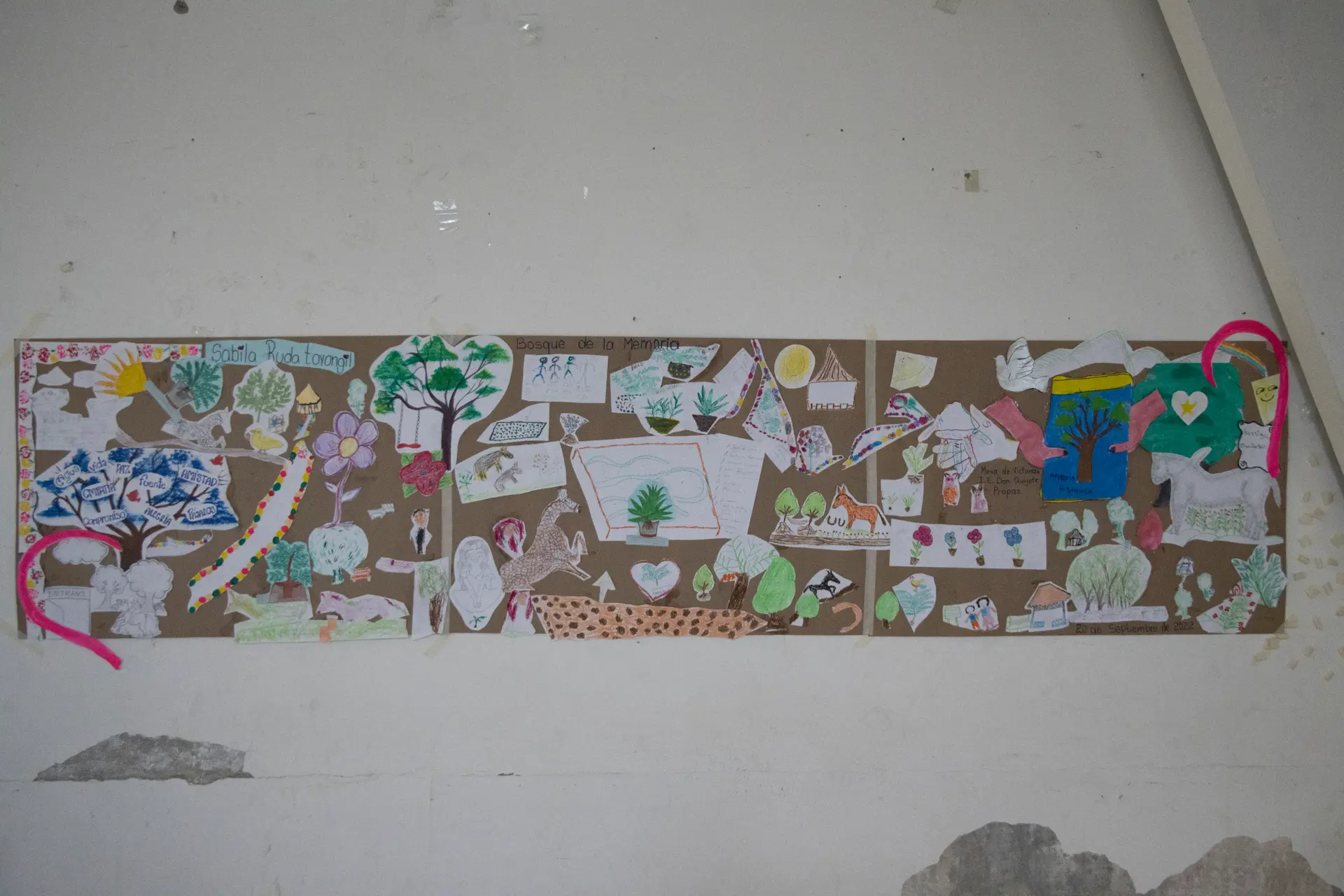
The Forest of Memory aims to restore the landscape by planting native trees, guided by Corpoamazonia and local environmental advocates. The design draws inspiration from natural aesthetics and community insights gained through eight months of immersion and over ten planning exercises. Artistic tools such as drawing, collage and storytelling helped articulate community dreams.
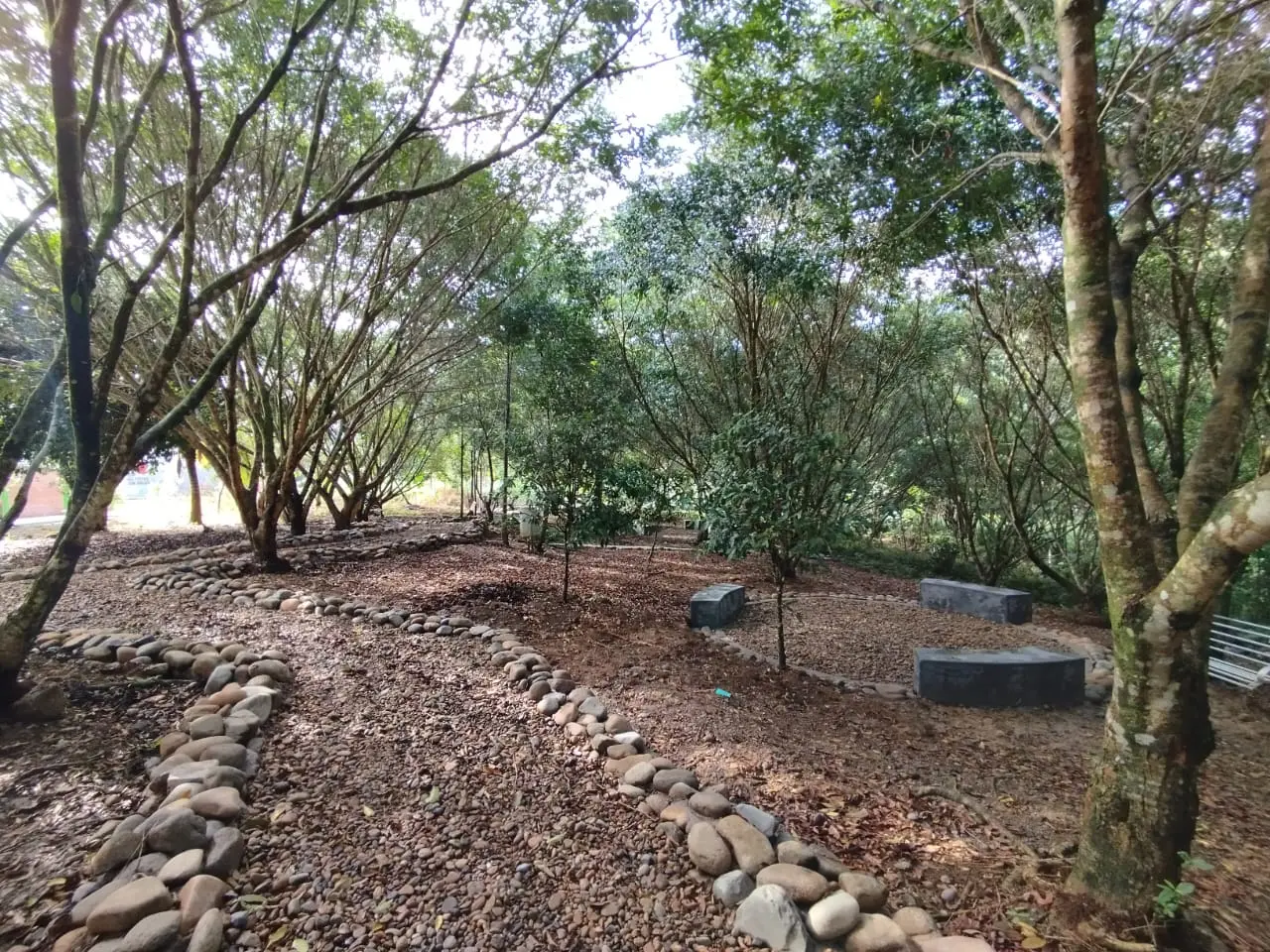
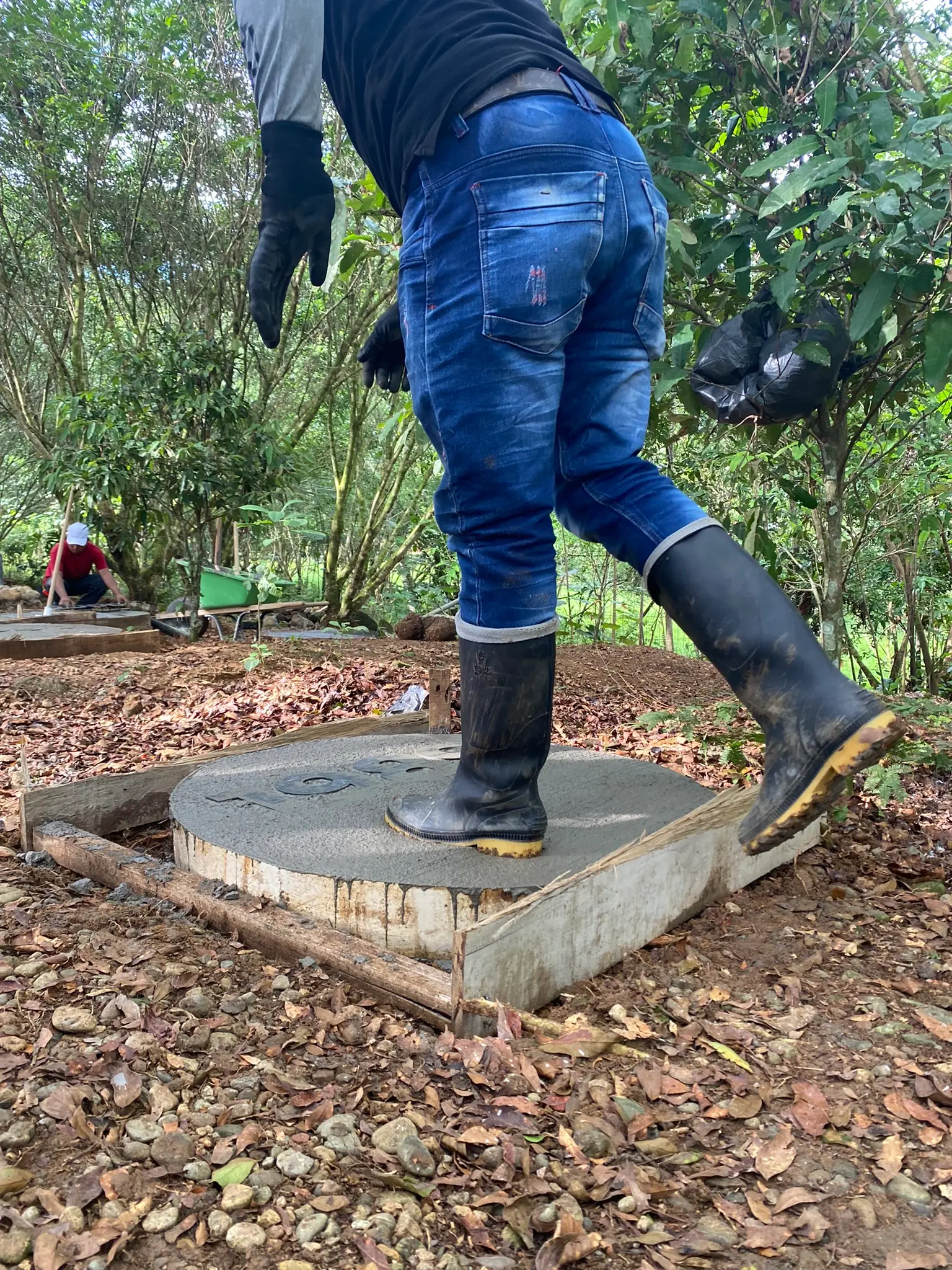
Materials like stone, wood and cement were selected based on community input. The stones, viewed as the territory’s ‘grandmothers’, symbolize the spirituality and warmth of the space. The project features:
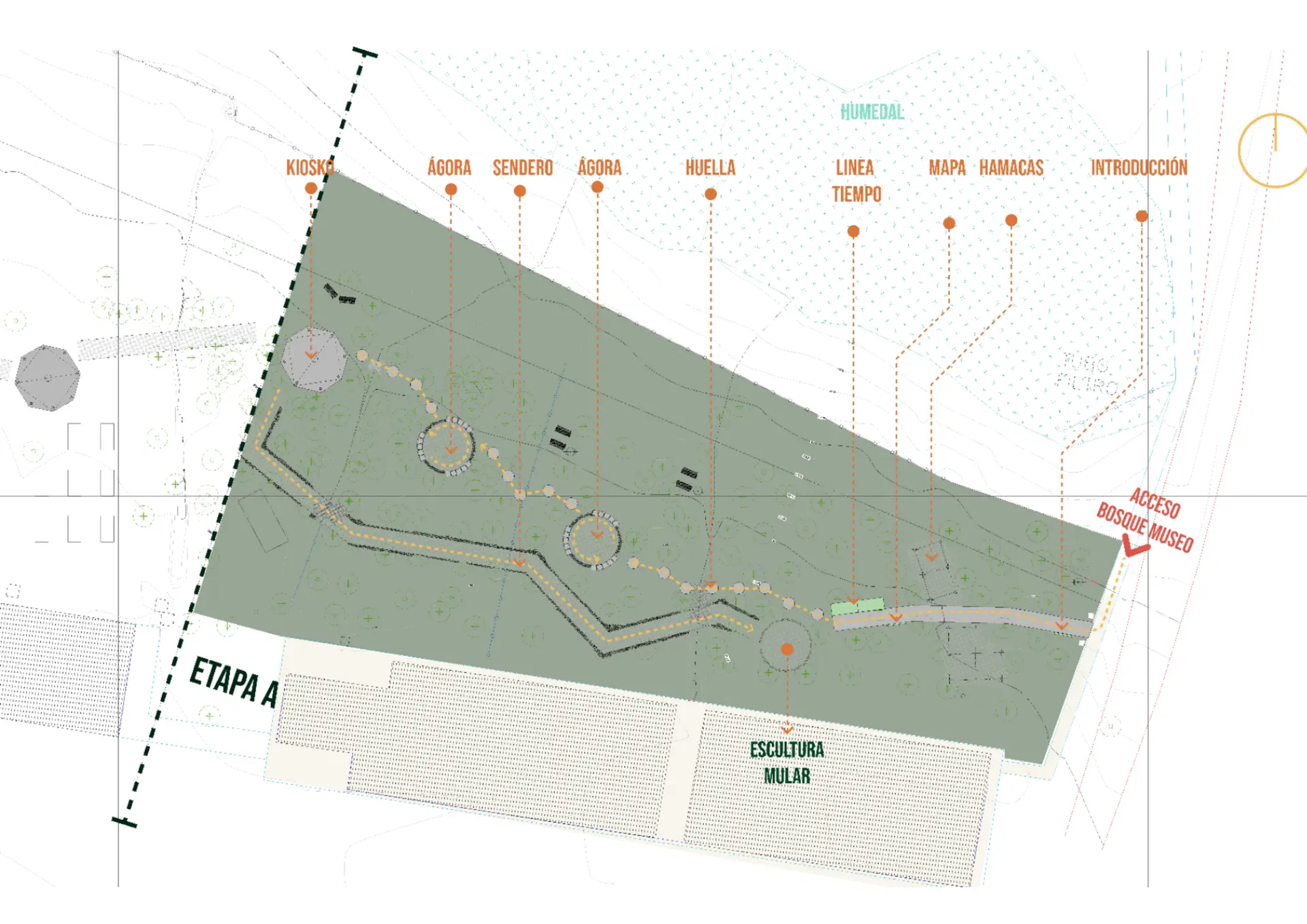
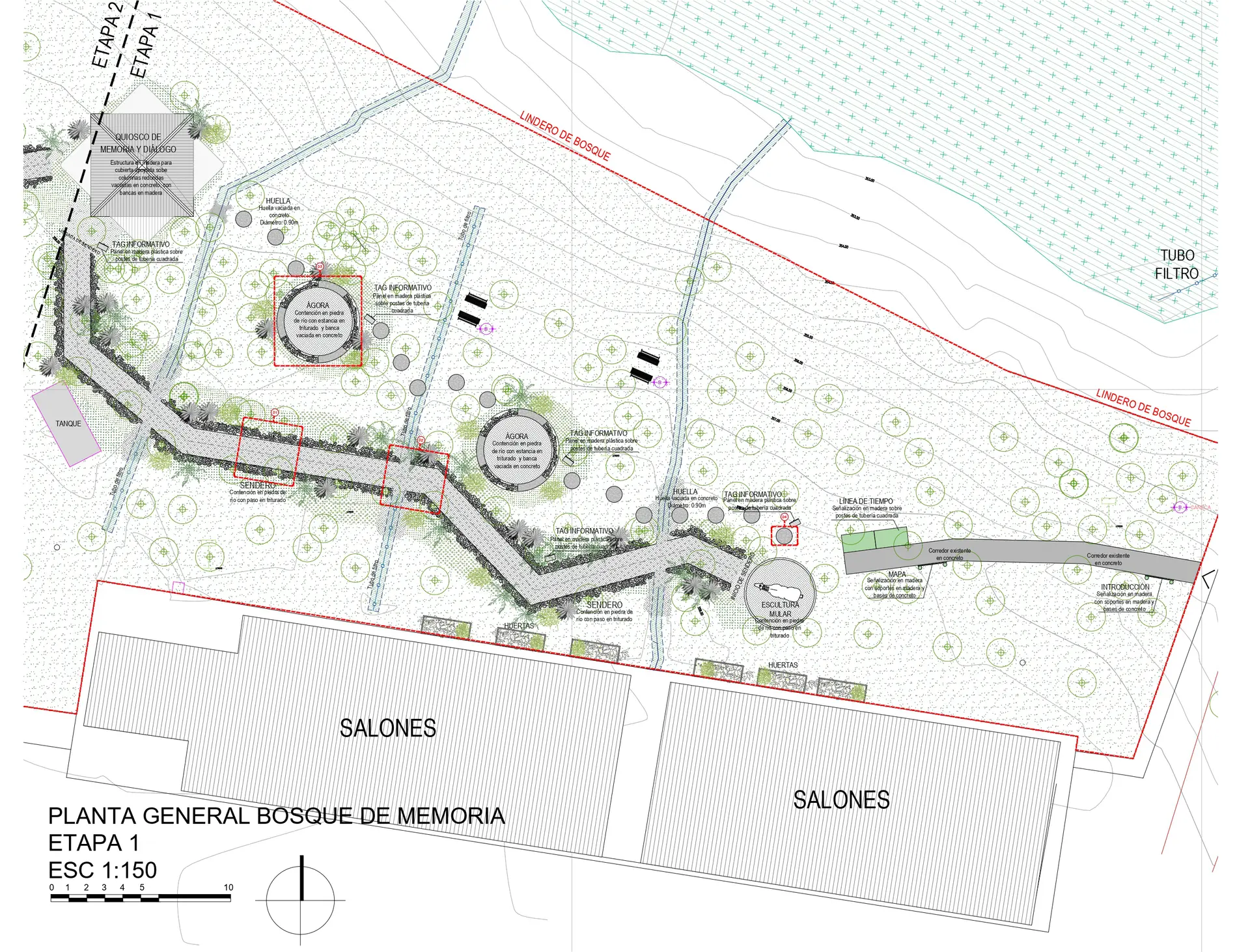
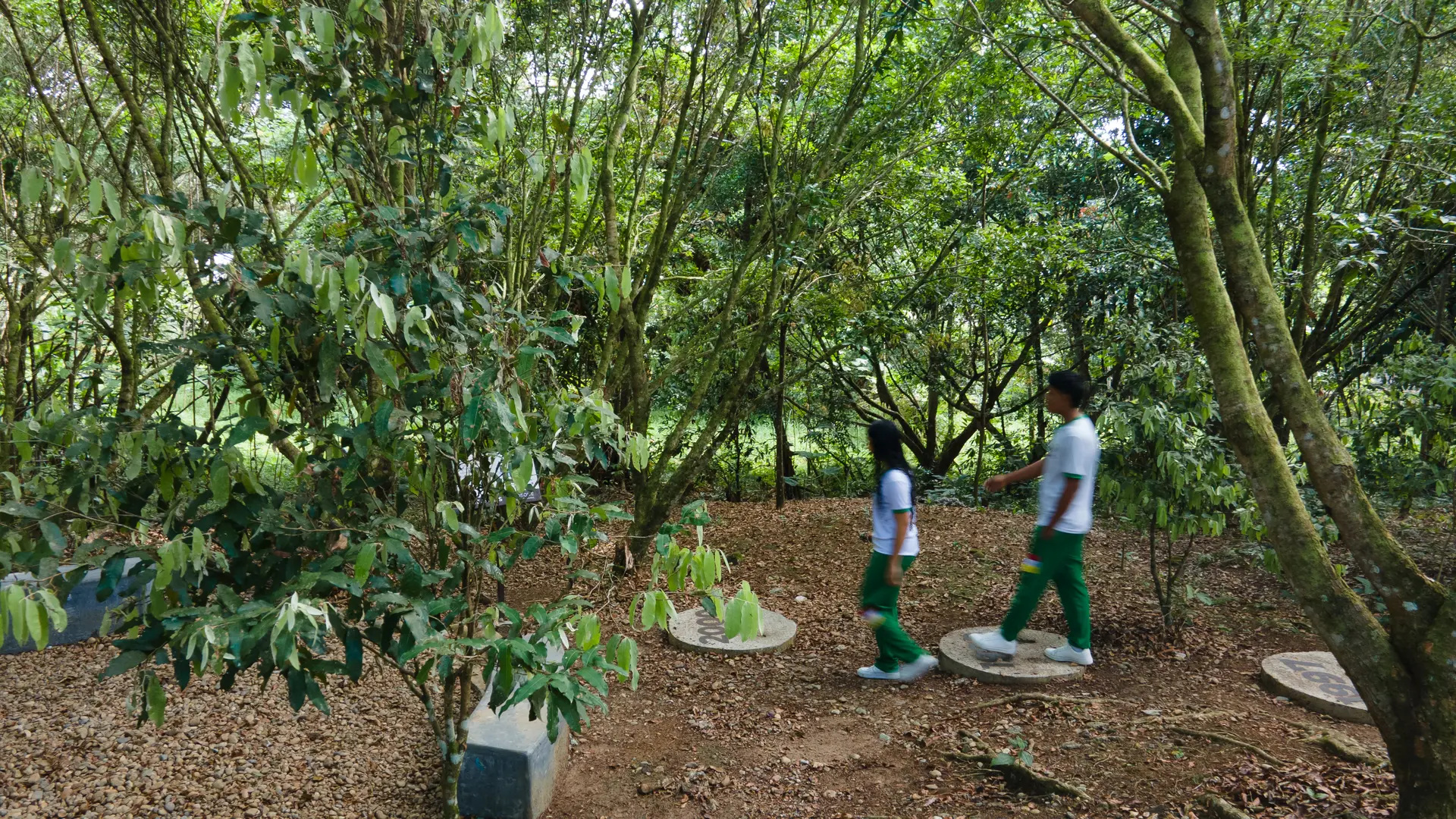
Walking Trails: Encouraging reflections on the suffering of conflict victims
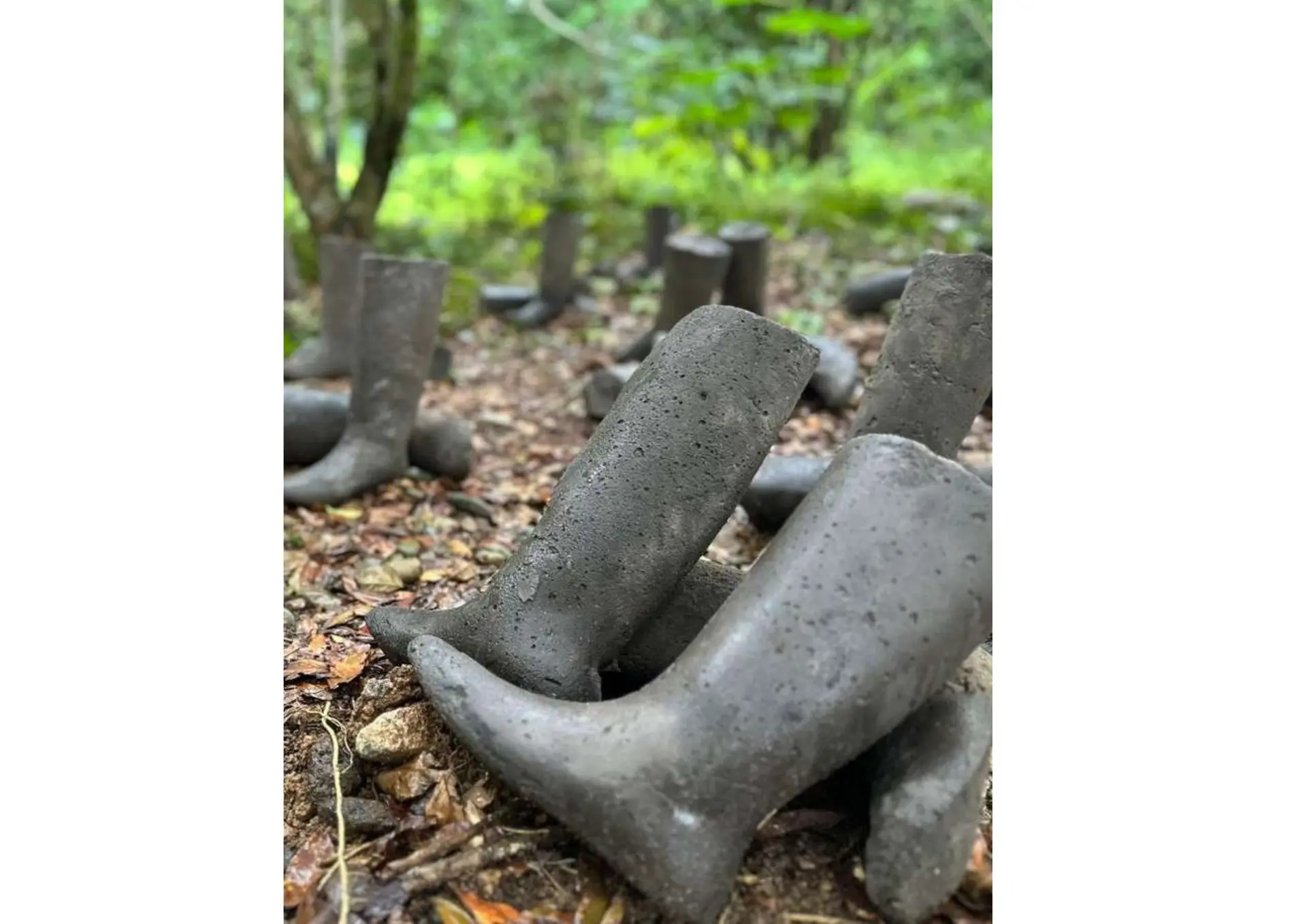
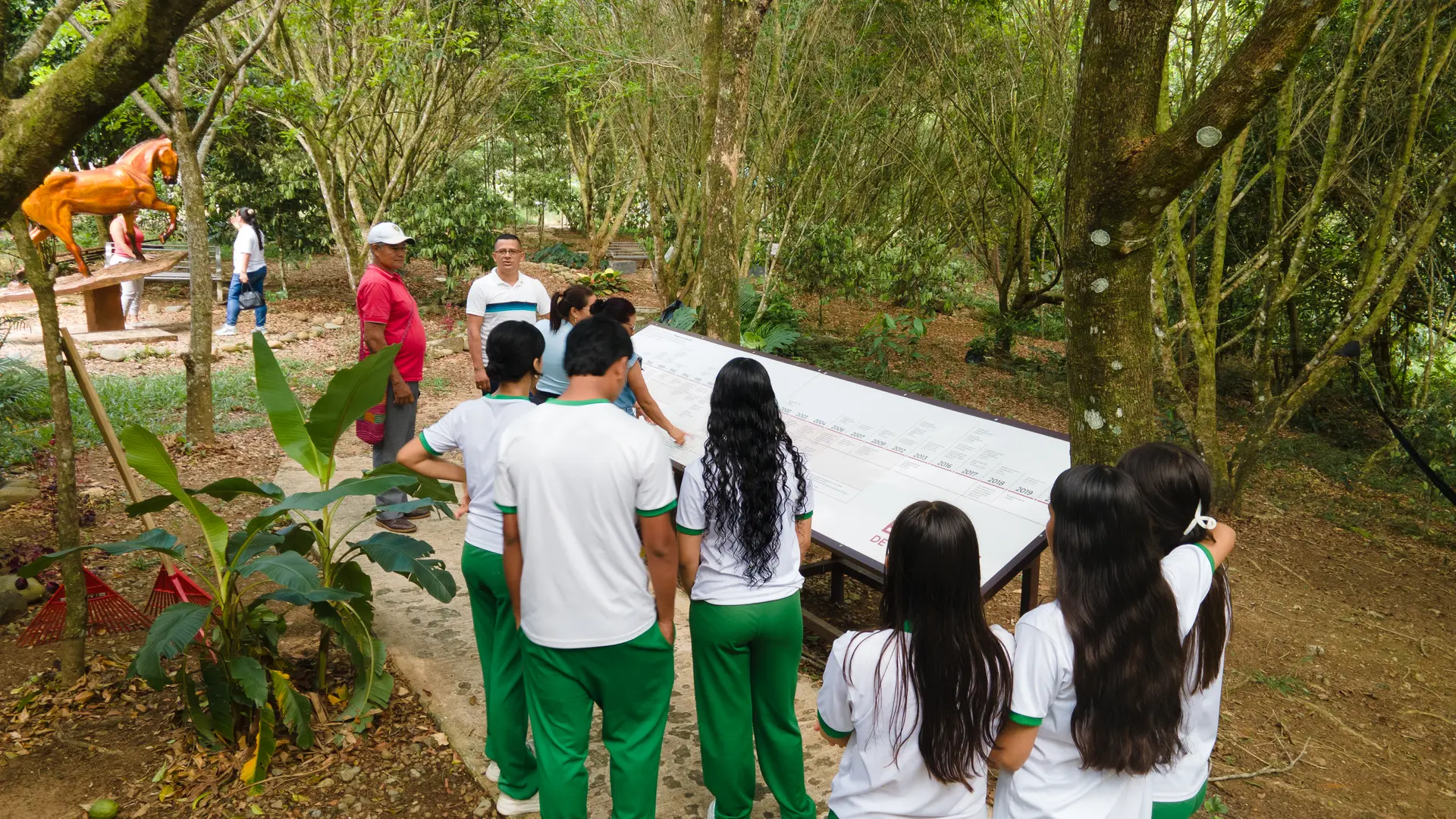
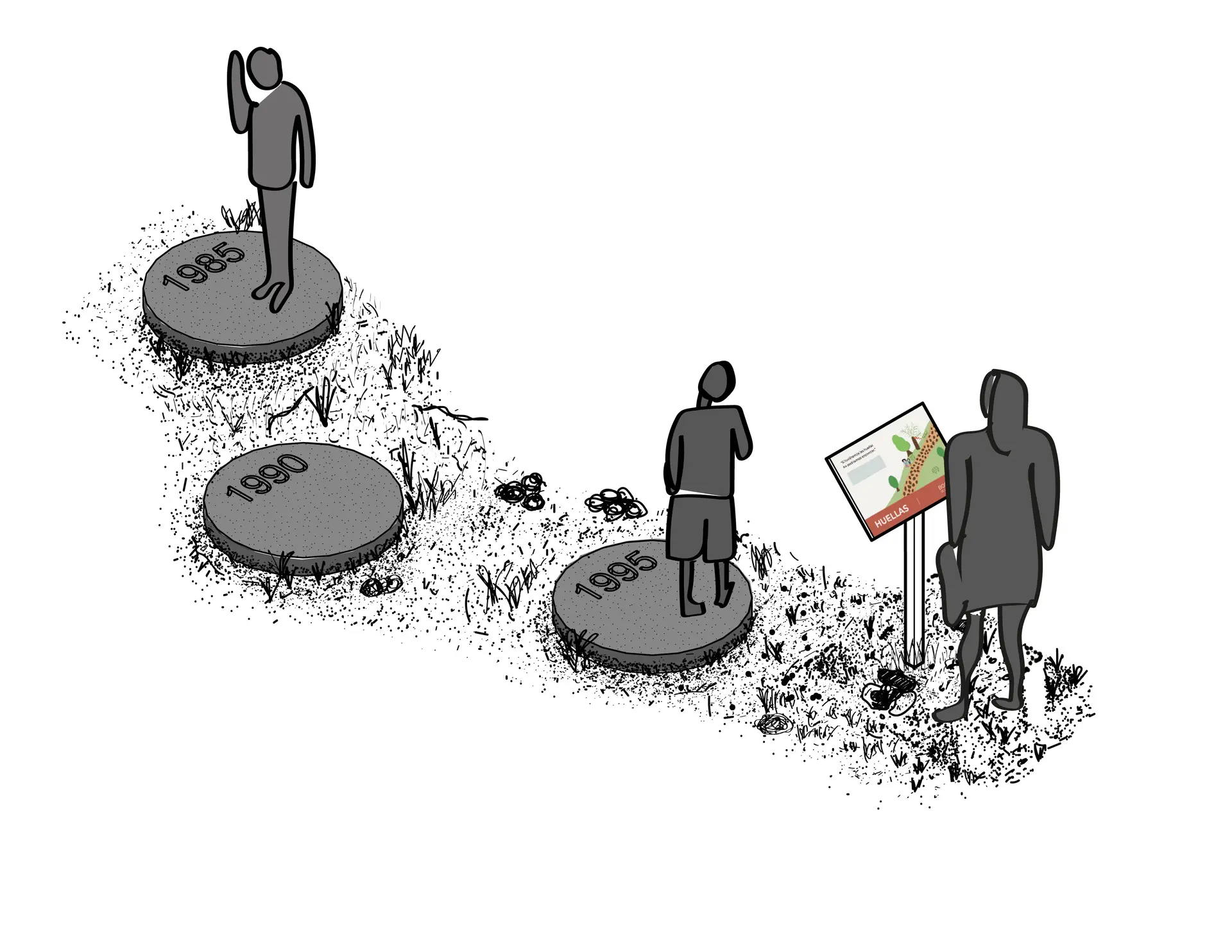
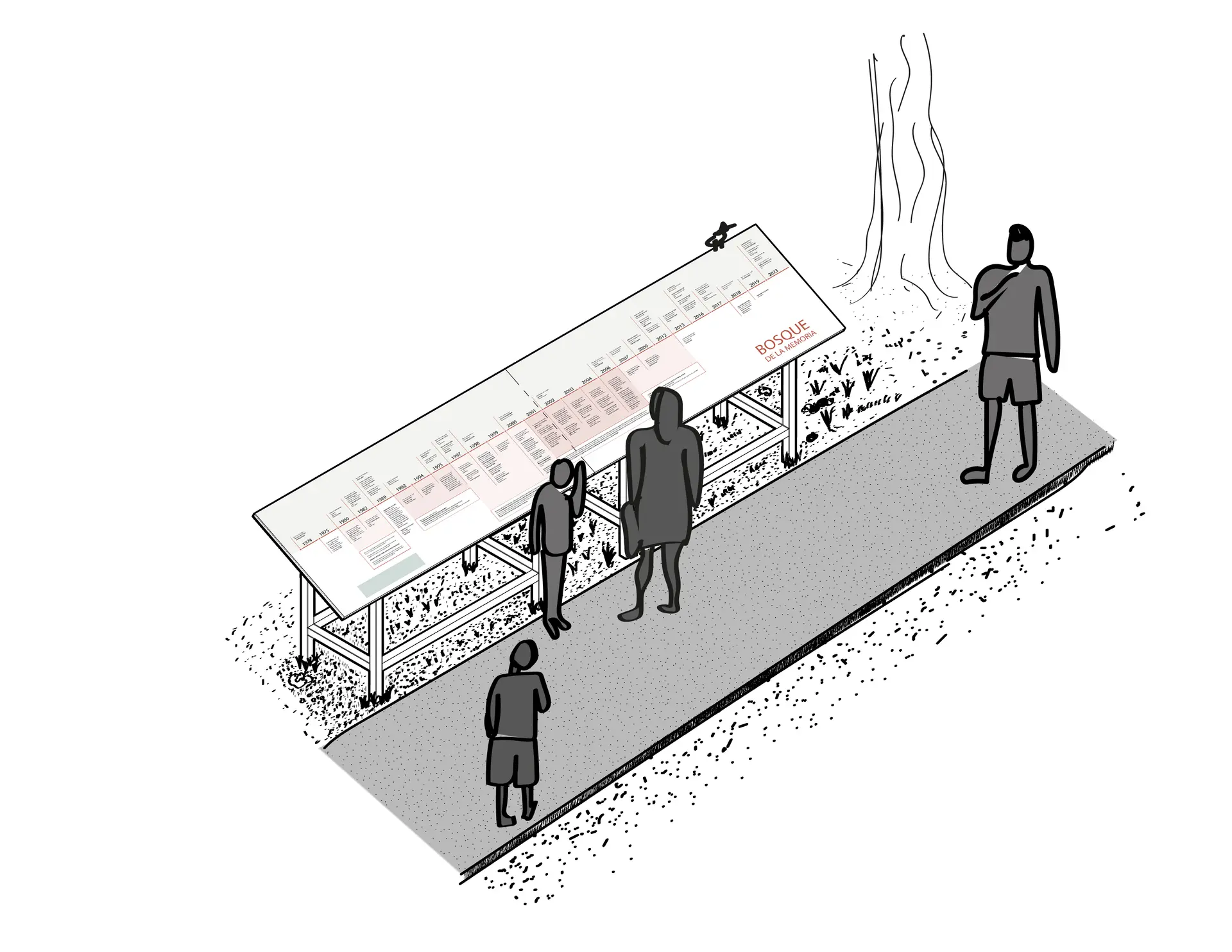
Memory Devices: Highlighting significant dates in community history.
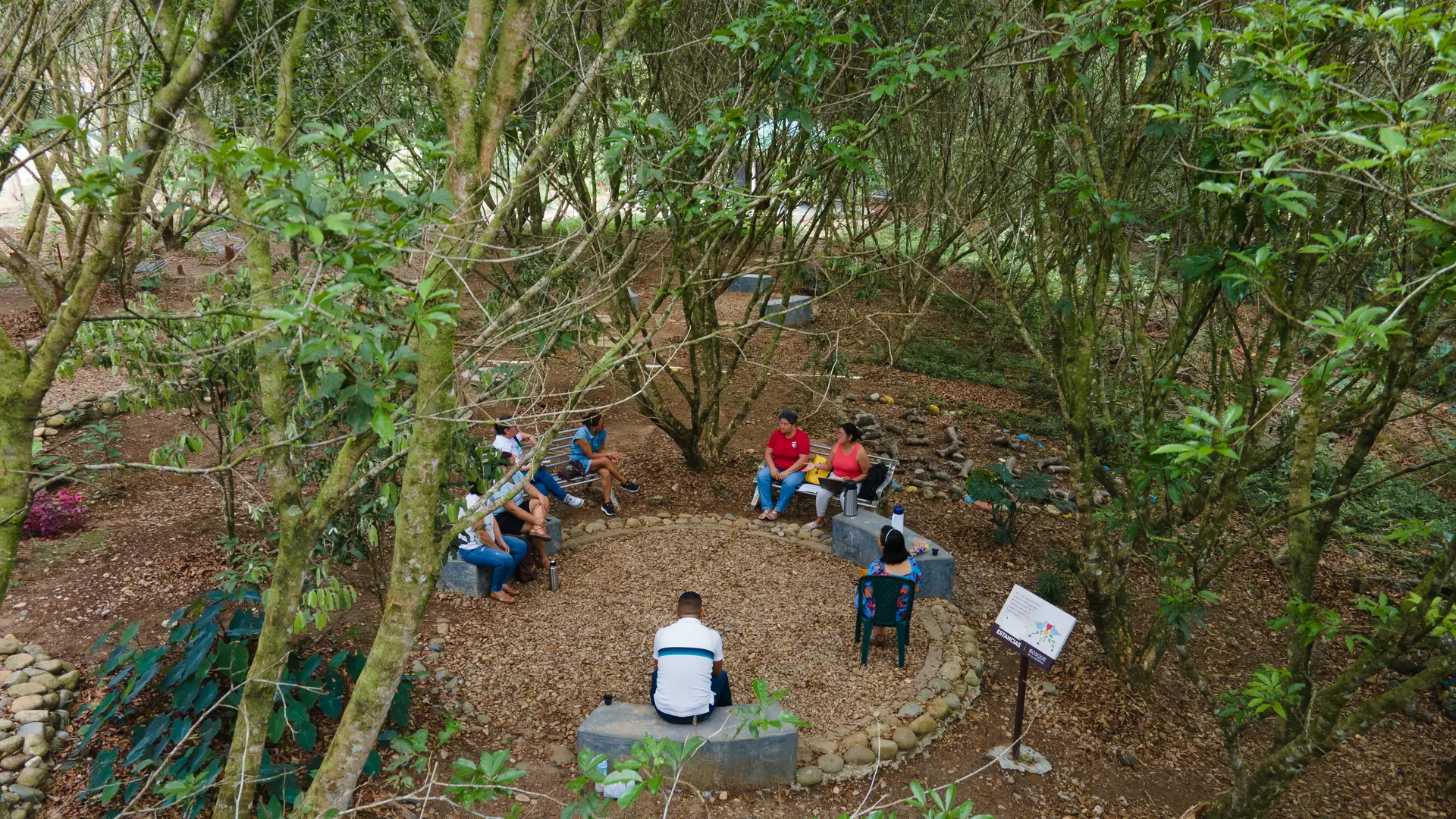
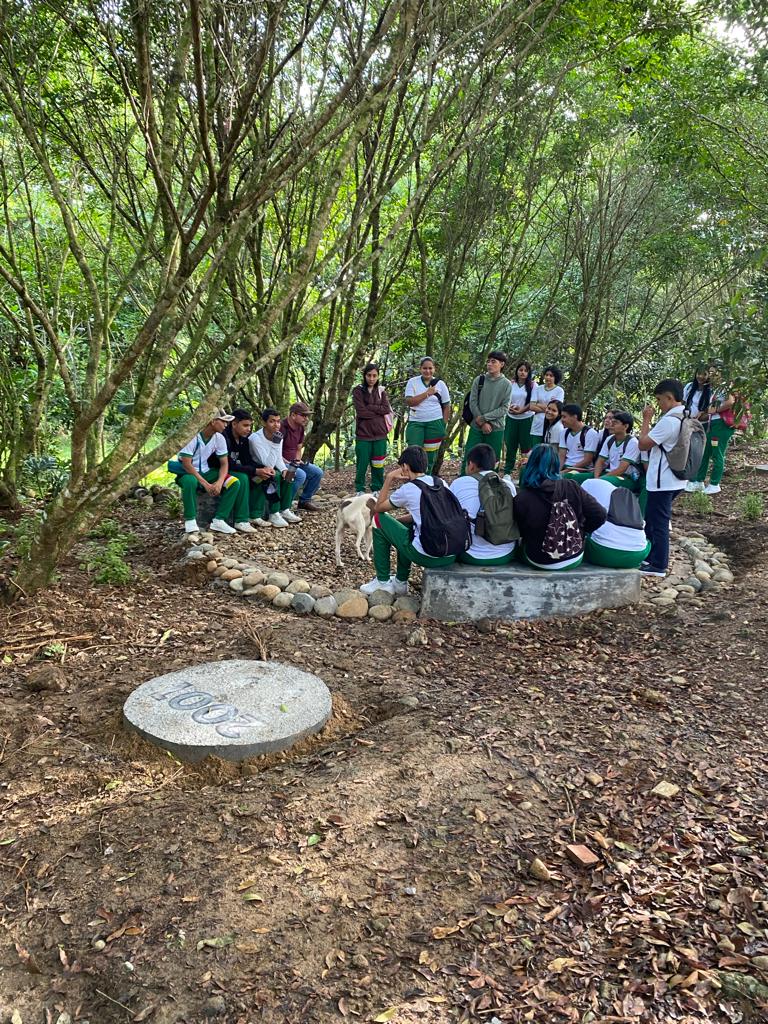
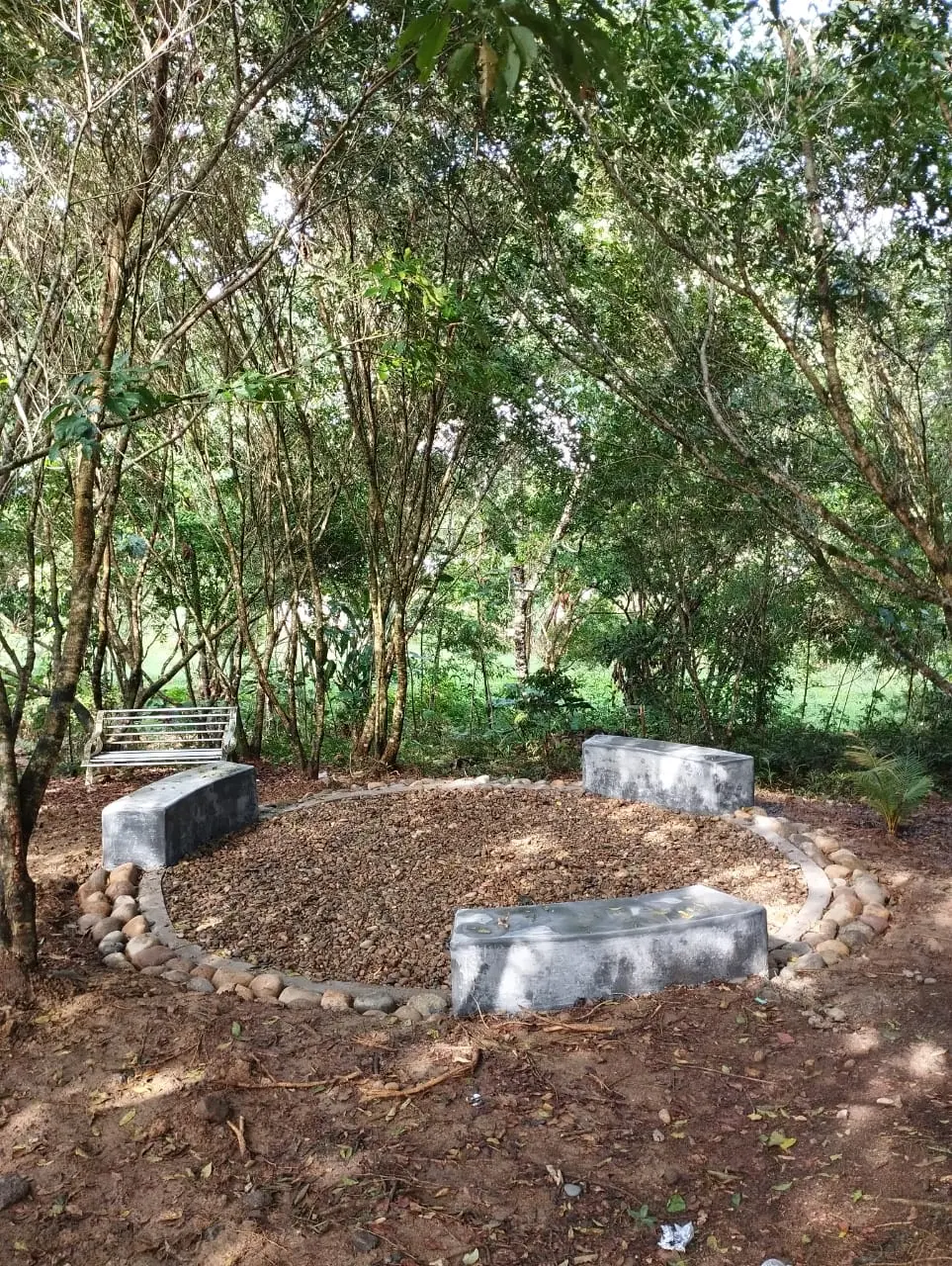
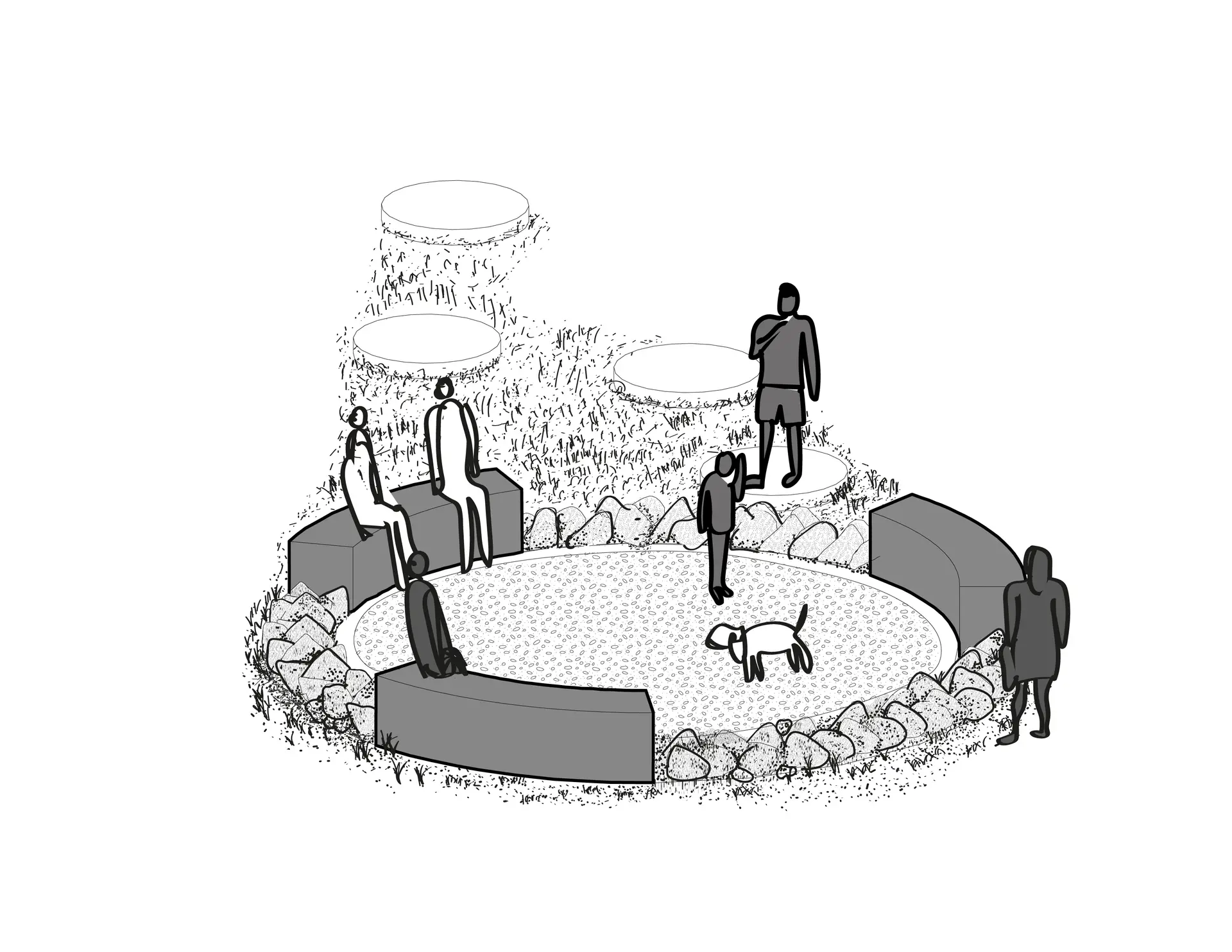
Thought Agora: A circular space for silent remembrance.
Conversation Agora: Fostering dialogue and mutual learning.
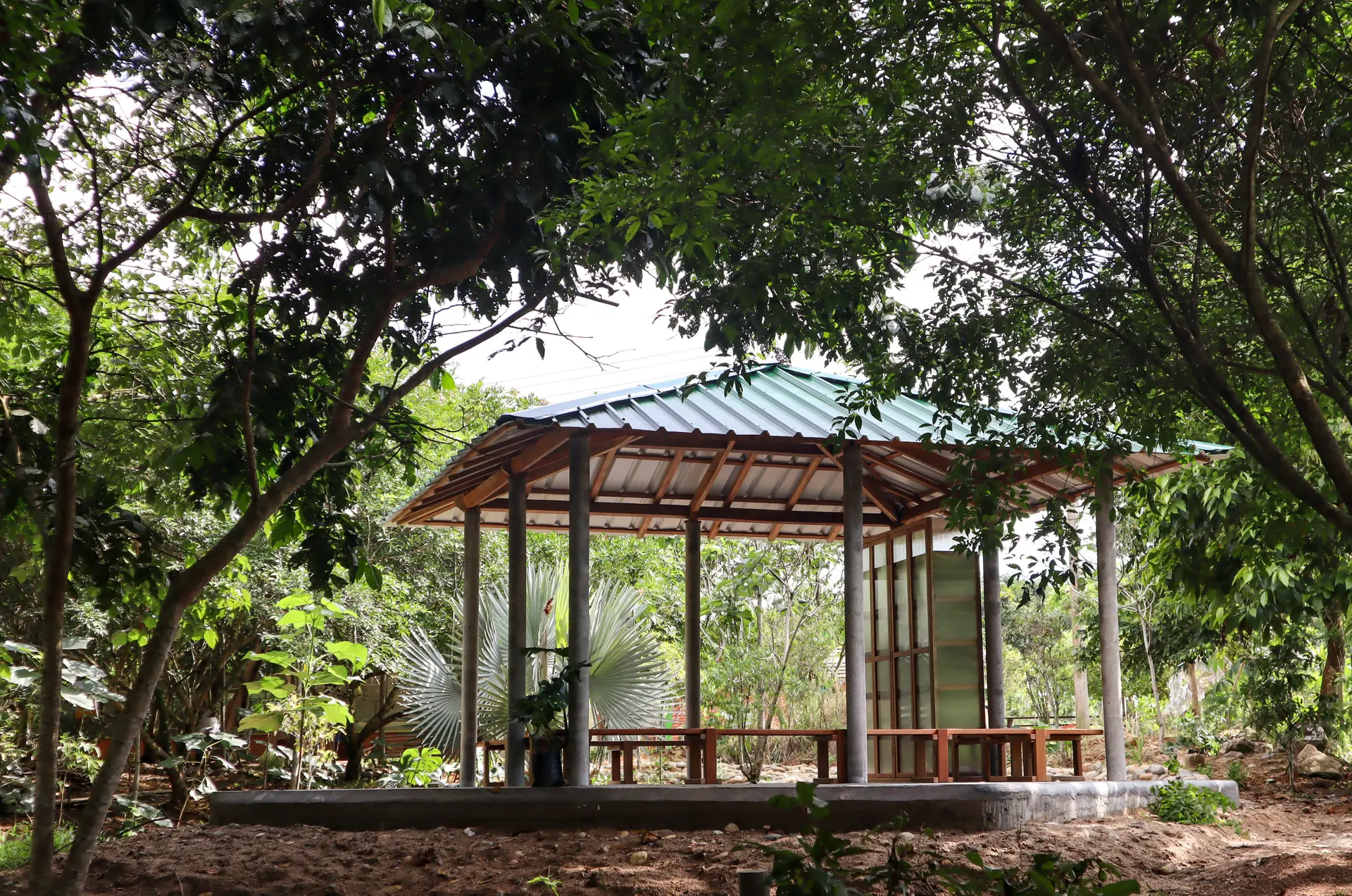
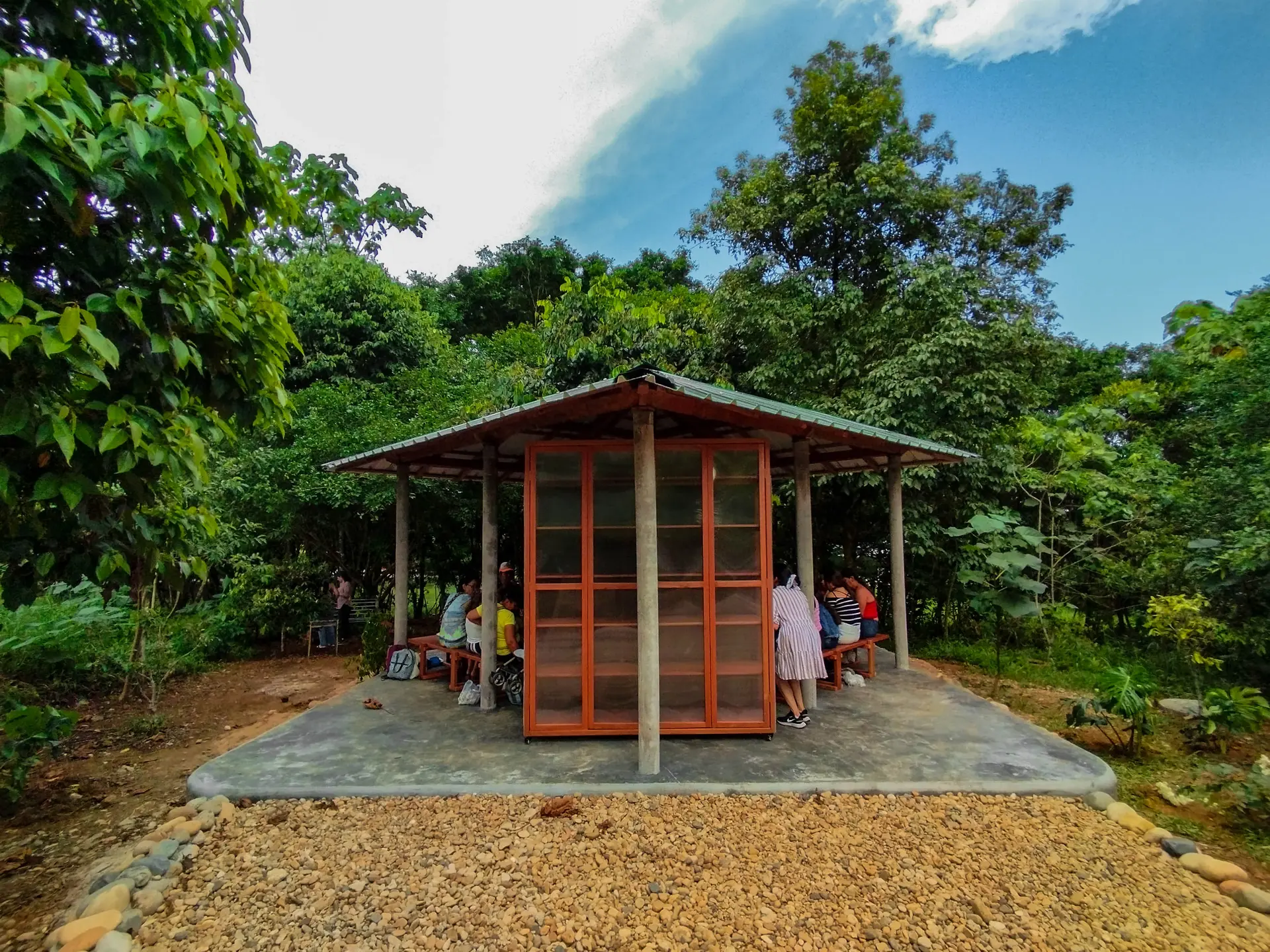
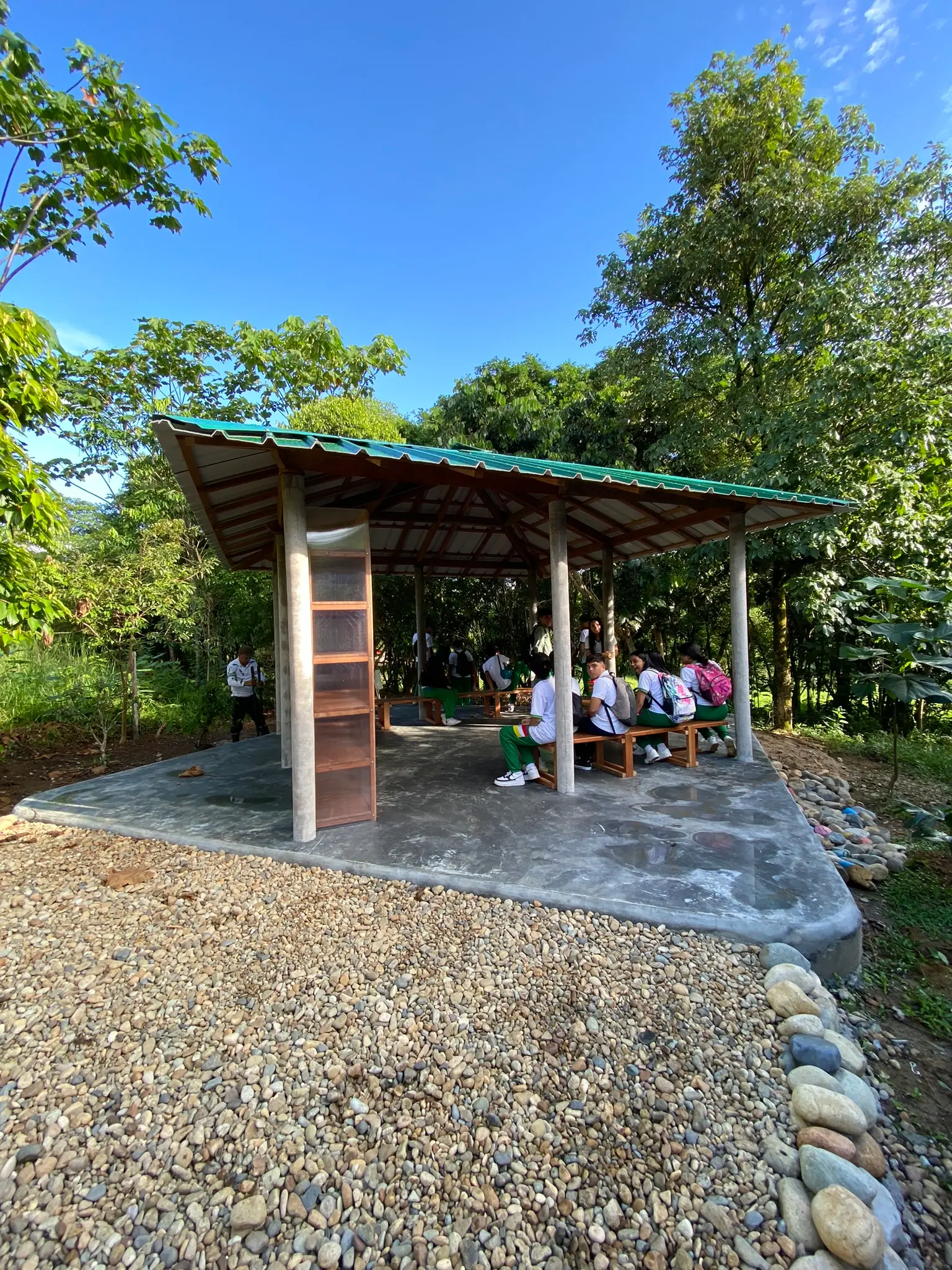
Memory Refuge: An open classroom and library supporting various community activities.
Aromatic Plant Trail: Assisting visually impaired individuals through olfactory guidance.
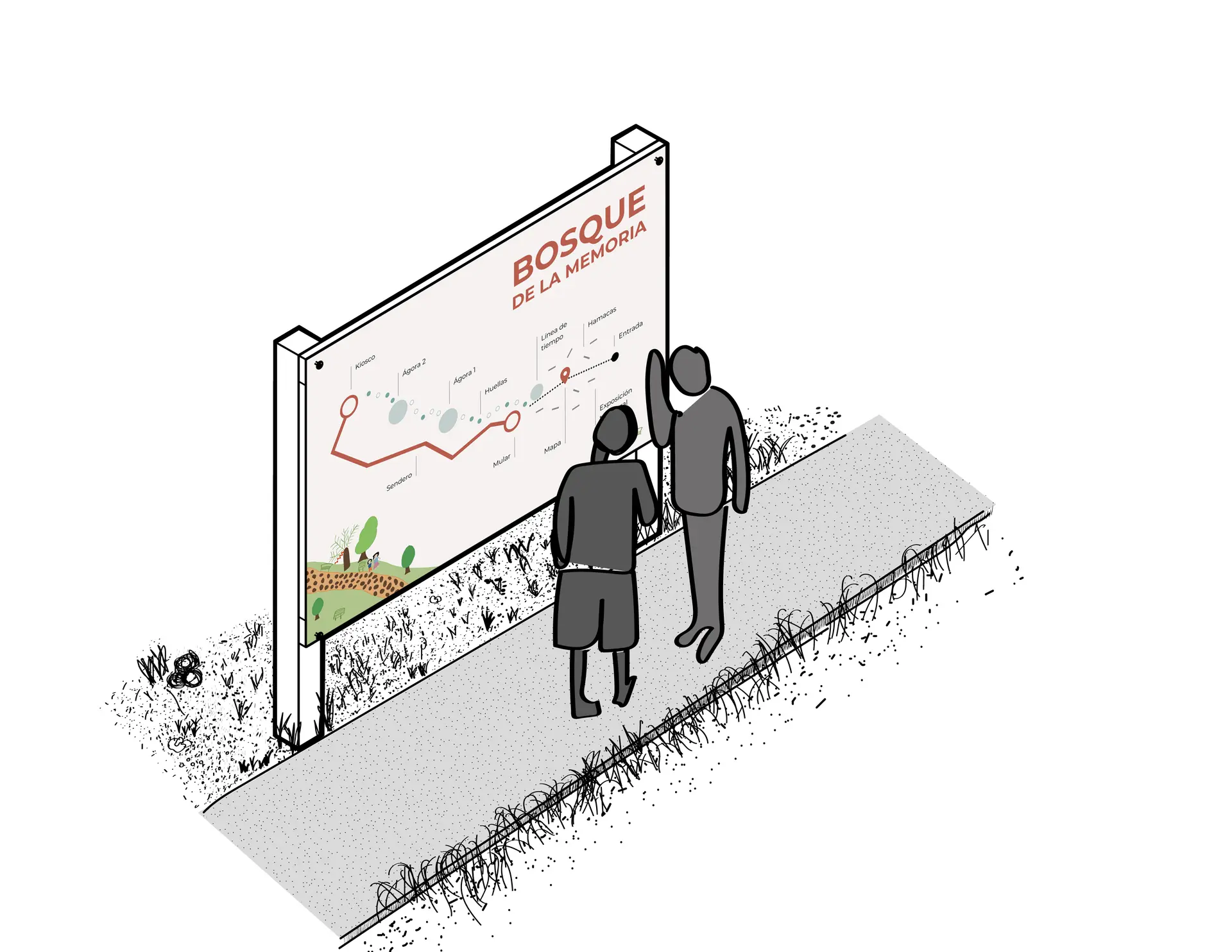
Each element is thoughtfully designed to integrate harmoniously with the natural environment, reflecting community desires and providing a place of profound meaning and emotional connection. Signage throughout the space, created collaboratively with community members, encapsulates their stories and memories, enhancing the project’s holistic approach to celebrating history and fostering healing.
Puente Consultorías Culturales is an agency specialized in creating and developing cultural content and experiences that facilitate the generation, dissemination and acquisition of knowledge. Utilizing its own methodologies, the agency aims to contribute to social transformation and national development.
The agency believes that art and culture can inspire critical and transformative reflections on society and the individual. Through a comprehensive range of cultural processes, it promotes democratized access, training and reflection, creating pathways and bridges to foster diverse scenarios for communal wellbeing.
Rooted in horizontal co-creation, the project recognises local community members as the true guardians of their territory and memory. The core team facilitating this process is coordinated by Olga Acosta, who brings her experience in rural community museography and curatorial direction, alongside Camilo Ruiz, an anthropologist focused on social dynamics. Daniela Ramírez, an expert in territorial development and participatory methodologies, engages directly with the community whilst Camila Duque manages the project's graphic identity. During Phase 1, Maryelin Botero and Juan Miguel Villegas coordinated initial architectural design efforts by translating community concepts into actionable plans. Moving into Phase 2, Yesenia Rodríguez, an architect and museographer with experience in community processes, leads the museum design, artistic interventions and spatial implementation on-site.
The prize money will fund the project’s second phase, which will focus on developing a memory museum within the Forest. This phase will include a seed custody space, a garden, outdoor works of art and the continuation of trails.
- Information for the project text was provided by Puente Consultorías Culturales -
image gallery